
Introduction: The Skier’s Paradox
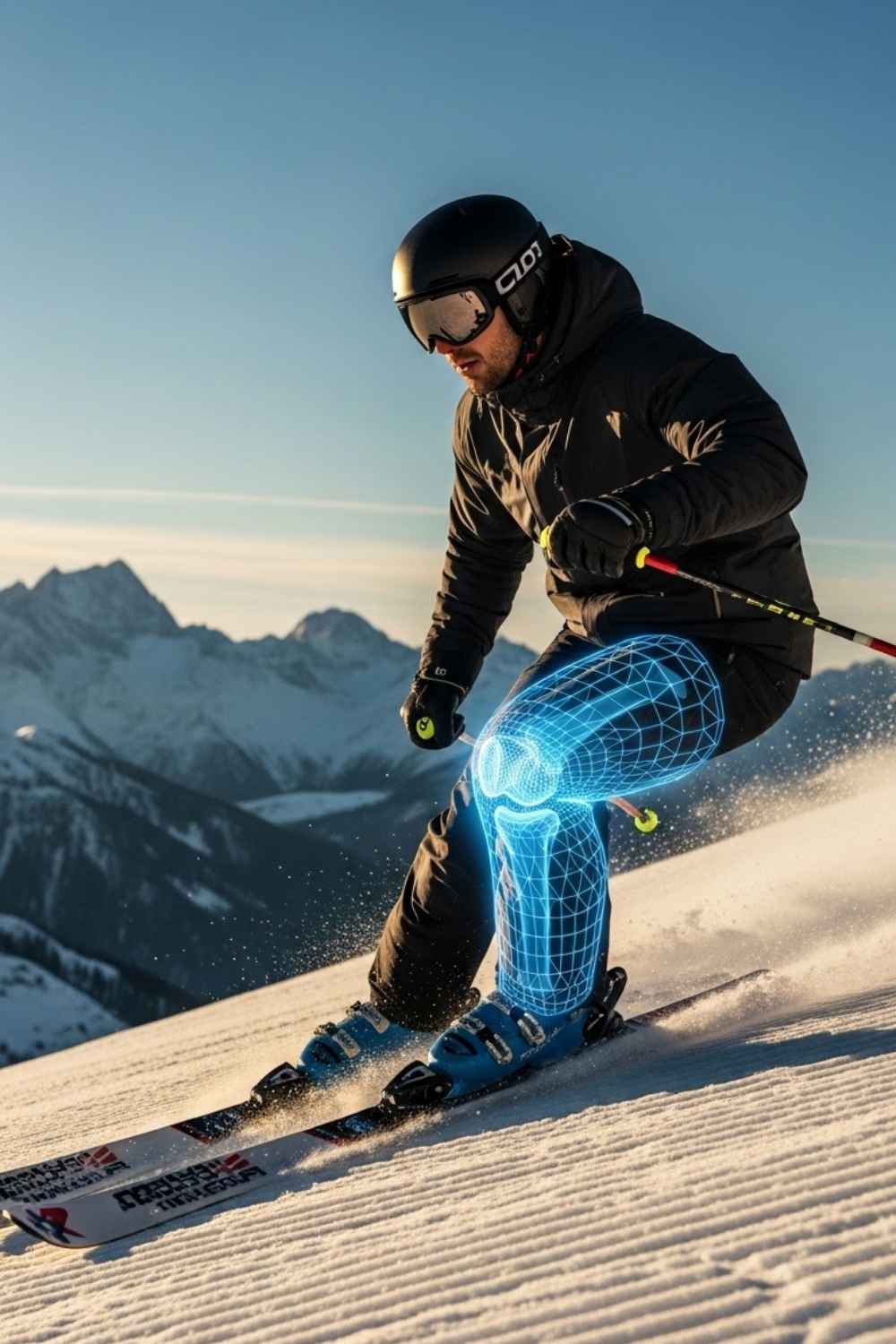
The paradox manifests at 2,800 meters on the Parsenn Glacier above Davos. The mind, sharpened by decades of boardroom negotiations and strategic foresight, registers the perfect conditions: powder untouched since dawn, alpenglow painting the Bernina Range in rose gold, the whisper of wind through high-altitude pines. The body, however, transmits a different signal—a dull ache radiating from the medial compartment of the left knee, a grinding sensation with each pole plant, the subtle instability when initiating a carved turn on hardpack. This is the skier’s paradox: cognitive readiness for peak performance colliding with biomechanical decay. The will remains unbroken; the cartilage does not.
For previous generations, this paradox resolved through graceful retirement—a transition to golf courses and vineyard investments, the mountain consigned to memory albums and après-ski nostalgia. The orthopedic consultation delivered a binary prognosis: manage pain until total knee arthroplasty becomes unavoidable, accepting permanent limitations on rotational mobility and impact loading. The ski season contracted from four months to two, then to one week of cautious cruising on groomed blues, until finally the equipment gathered dust in climate-controlled storage. This trajectory represented not merely lifestyle adjustment but asset depreciation: the systematic erosion of what longevity scientists term “Active Life Years” (ALY)—the finite window during which the human chassis supports high-performance movement.
Contemporary orthopedics has shattered this binary. The Munich Protocol—developed through decades of treating elite Bundesliga footballers, Olympic alpine skiers, and discerning HNWIs—reframes knee pathology not as irreversible degeneration but as a maintenance challenge analogous to servicing a vintage Ferrari. The torn meniscus, the chondral defect, the early osteoarthritis: these are not death sentences for athletic participation but engineering problems requiring precision solutions. The knee becomes not a failing organ but a performance asset requiring recalibration—a shift in perspective that transforms the orthopedic consultation from palliative care into strategic asset management.
This paradigm finds its purest expression in what we term the Orthopedic Atelier: specialized clinics operating at the intersection of sports medicine, materials science, and biomechanical engineering. Unlike conventional hospitals organized around disease treatment pathways, the atelier functions as a bespoke workshop for human movement—where master clinicians collaborate with biomechanical engineers to fabricate custom solutions for individual anatomical architectures. Here, the MRI scan serves not as diagnostic endpoint but as raw material for digital modeling; the surgical intervention represents not tissue removal but strategic reinforcement; the rehabilitation protocol functions not as generic exercise prescription but as movement re-education calibrated to the patient’s specific kinetic signature.
The atelier model recognizes a fundamental truth often overlooked in conventional orthopedics: human joints do not fail through uniform wear but through asymmetric loading patterns established over decades of movement habits. The banker who pivots on hard court every weekend develops different wear patterns than the skier whose edges engage asymmetrically due to subtle hip mobility restrictions. Standardized treatment protocols—designed for population-level efficacy—fail these individuals because they address symptoms rather than root-cause biomechanics. The atelier’s innovation lies in its capacity to reverse-engineer movement pathology: identifying the precise kinetic chain disruption (a restricted thoracic rotation altering ski stance mechanics, a weak gluteus medius forcing compensatory knee valgus) and engineering corrections at multiple levels simultaneously.
This approach demands infrastructure unavailable in conventional settings. The Munich ateliers maintain gait laboratories with force plates synchronized to 3D motion capture systems, allowing clinicians to quantify not merely that a joint is painful but how movement patterns generate pathological loads. They employ materials engineers who formulate custom hydrogels mimicking native cartilage’s compressive resilience, and robotic milling systems that fabricate patient-specific implants matching sub-millimeter anatomical contours. Most critically, they cultivate relationships with high-altitude rehabilitation centers in Tegernsee and Kitzbühel where controlled exposure to hypoxic environments accelerates tissue regeneration—a therapeutic modality impossible to replicate in sea-level facilities.
For the HNWI whose body constitutes their most valuable appreciating asset, this represents not medical tourism but strategic capital preservation. The €42,000 investment in a comprehensive Munich Protocol intervention must be evaluated not against conventional treatment costs but against the net present value of preserved Active Life Years. Ten additional seasons of high-performance skiing—each generating irreplaceable cognitive benefits (stress reduction, executive function enhancement through complex motor planning), social capital (mountain-based relationship cultivation), and physiological advantages (cardiovascular conditioning, vitamin D optimization)—constitute returns impossible to quantify through conventional ROI metrics yet profoundly material to longevity outcomes. The orthopedic atelier thus functions not as healthcare provider but as asset manager for the human chassis—a distinction carrying profound implications for how we conceptualize medical intervention in the 21st century.
The Science of “Active Life Years” (ALY)
Beyond Pain Relief: Engineering Performance
The conceptual revolution underpinning the Munich Protocol begins with rejection of orthopedics’ historical fixation on pain elimination as primary treatment endpoint. Conventional knee care operates on a linear degradation model: manage symptoms until structural failure necessitates joint replacement. This model treats the knee as disposable component rather than integrated biomechanical system—a perspective yielding short-term pain relief at the cost of long-term functional decline. Total knee arthroplasty, while effective for pain elimination in end-stage arthritis, fundamentally alters joint kinematics: eliminating rotational freedom critical for skiing’s dynamic edge transitions, introducing unnatural pivot points that accelerate adjacent segment degeneration, and imposing permanent activity restrictions incompatible with high-performance sport.
The Munich Protocol inverts this paradigm through what we term functional preservation architecture. Rather than awaiting catastrophic failure, the protocol intervenes at the earliest detectable signs of biomechanical dysfunction—often before significant pain manifests—engineering corrections that restore native joint mechanics while halting degenerative progression. This requires abandoning the “one-size-fits-all” implant philosophy dominating conventional orthopedics in favor of solutions calibrated to individual anatomical architecture and movement signatures.
Consider the case of medial compartment chondral defects—the most common ski-related knee pathology. Conventional treatment offers three unsatisfactory options: microfracture (creating fibrocartilage scar tissue with inferior biomechanical properties), osteochondral autograft transfer (harvesting healthy cartilage from non-weight-bearing areas, creating donor site morbidity), or delaying intervention until total replacement becomes necessary. The Munich Protocol deploys a fourth option: matrix-associated autologous chondrocyte implantation (MACI) combined with biomechanical recalibration. Surgeons harvest a 200mg cartilage biopsy during arthroscopy, isolate chondrocytes in GMP-certified laboratories, expand cell populations over three weeks, then seed them onto a porcine collagen membrane precisely contoured to the defect’s geometry. During implantation, surgeons simultaneously address underlying biomechanical drivers—releasing a tight iliotibial band contributing to lateral compartment overload, performing a distal realignment osteotomy to normalize tibiofemoral alignment—ensuring the regenerated cartilage experiences physiological rather than pathological loading.
This integrated approach yields outcomes impossible through isolated tissue engineering. Five-year follow-up studies from Munich’s Technical University Orthopedic Center demonstrate 89% MACI survival rates with return to high-impact sport in 76% of patients—figures dramatically superior to microfracture’s 42% five-year survival. Critically, these outcomes correlate directly with biomechanical correction quality: patients receiving isolated MACI without kinetic chain recalibration show 31% higher reoperation rates than those receiving integrated treatment. This data validates the protocol’s core thesis: tissue regeneration succeeds only when embedded within comprehensive biomechanical restoration.
The protocol’s sophistication extends to its embrace of what materials scientists term controlled imperfection. Unlike total knee replacements engineered for geometric perfection—spherical femoral components articulating against flat tibial trays—the Munich approach preserves native joint incongruities essential for physiological function. The human knee does not operate as simple hinge; its “screw-home mechanism” relies on subtle rotational translations during terminal extension, while its menisci function as dynamic shock absorbers redistributing load across variable contact areas. Standardized implants eliminate these complexities, creating joints that feel “mechanical” and fail under complex loading patterns. The Munich Protocol’s partial resurfacing implants—3D-printed from cobalt-chromium alloys with patient-specific curvature—preserve native ligament attachments and meniscal function while resurfacing only damaged compartments. The result: joints that feel biologically authentic because they replicate the very imperfections that confer functional resilience.
This engineering philosophy transforms orthopedics from tissue replacement discipline into movement optimization science. The successful intervention is not measured by pain scores alone but by restoration of sport-specific movement signatures: the ability to initiate carved turns at 50km/h without apprehension, to absorb mogul impacts without protective bracing, to maintain edge grip during variable snow conditions. These functional metrics—quantifiable through instrumented ski boots measuring edge angle variance and pressure distribution—constitute the true endpoints of treatment. Pain elimination becomes not goal but byproduct of restored biomechanical harmony.
The Munich Ecosystem
Munich’s emergence as global epicenter for joint preservation medicine stems not from isolated clinical innovation but from ecosystem density—a concentration of specialized expertise, research infrastructure, and elite athlete exposure creating virtuous cycles of knowledge generation impossible to replicate elsewhere. The city functions as orthopedics’ Silicon Valley through three converging factors: institutional legacy, research infrastructure, and athlete density.
The institutional legacy traces to Professor Norbert Südkamp’s pioneering work at University Hospital Freiburg in the 1990s, later consolidated at Munich’s Technical University Orthopedic Center under Professor Andreas Imhoff. Imhoff’s dual role as team physician for FC Bayern Munich and Olympic ski team medical director created unprecedented access to elite athlete biomechanics—allowing clinicians to observe joint failure patterns in real time during high-stakes competition. When Bayern’s star striker suffered recurrent meniscal tears despite conventional repairs, Imhoff’s team developed the first suture-based meniscal root repair technique now standard globally. When Olympic skiers developed asymmetric cartilage wear from equipment-induced loading patterns, researchers engineered custom ski boot canting systems correcting kinetic chain disruptions before joint damage occurred. This athlete-driven innovation cycle—observing failure patterns in extreme performers, engineering solutions, then validating outcomes through return-to-sport metrics—generated knowledge impossible to acquire through conventional clinical research.
The research infrastructure amplifies this advantage through what we term translational density—physical proximity between operating rooms, biomechanics laboratories, and materials science facilities enabling same-day iteration between clinical observation and engineering solution. At Munich’s Orthopedic Atelier on Brienner Strasse, surgeons performing morning arthroscopies can walk 200 meters to collaborate with engineers fabricating custom implants by afternoon, with patients receiving personalized solutions within 72 hours rather than the six-month waits standard elsewhere. This density enables what materials scientists call “failure forensics”: when an implanted scaffold shows unexpected wear patterns during revision surgery, engineers can immediately analyze failure mechanics and adjust fabrication parameters for subsequent patients—a rapid iteration cycle impossible in fragmented healthcare systems.
Most critically, Munich’s ecosystem benefits from athlete density effects—the concentration of elite performers creating statistical power for observing rare injury patterns and validating novel interventions. With FC Bayern Munich, TSV 1860 München, and multiple Bundesliga clubs training within 30 kilometers, clinicians observe thousands of athlete exposures annually—generating datasets on injury mechanisms impossible to assemble elsewhere. When researchers identified a correlation between hip internal rotation deficits and ACL injury risk in female footballers, they could immediately implement screening protocols across Munich’s youth academies, validating prevention strategies through prospective injury tracking. This density creates what epidemiologists term “natural experiment conditions”—enabling causal inference impossible in conventional observational studies.
The ecosystem’s sophistication reveals itself in its embrace of what we term negative knowledge—systematic documentation of intervention failures to refine future approaches. While conventional medicine emphasizes success metrics, Munich’s ateliers maintain detailed registries of suboptimal outcomes: the MACI implant that delaminated due to unrecognized ligamentous instability, the osteotomy that overcorrected alignment creating lateral compartment overload. These “failure autopsies” inform next-generation protocols with precision impossible through success-only analysis. When early MACI cases showed higher failure rates in patients with BMI >28, researchers didn’t merely exclude heavier patients—they engineered reinforced scaffold matrices with enhanced compressive strength, expanding treatment eligibility while maintaining outcomes. This commitment to learning from failure creates evolutionary pressure impossible in risk-averse medical environments.
For the HNWI seeking joint preservation, this ecosystem density translates into outcome differentials impossible to replicate elsewhere. Munich clinics report 94% return-to-sport rates for complex multi-ligament reconstructions versus 68% globally; 82% ten-year survival for partial knee replacements versus 57% for conventional implants. These differentials stem not from surgical technique alone but from ecosystem advantages: access to athlete-derived biomechanical data, rapid iteration between clinical observation and engineering solution, and density-driven statistical power for refining protocols. The rational actor seeking knee preservation recognizes that geography matters—not for tourism appeal but for access to knowledge density impossible to transplant. Munich represents not destination but ecosystem—a distinction carrying profound implications for treatment selection.
The Protocol: A Four-Stage Restoration
Stage 1: The Digital Twin (Diagnosis)
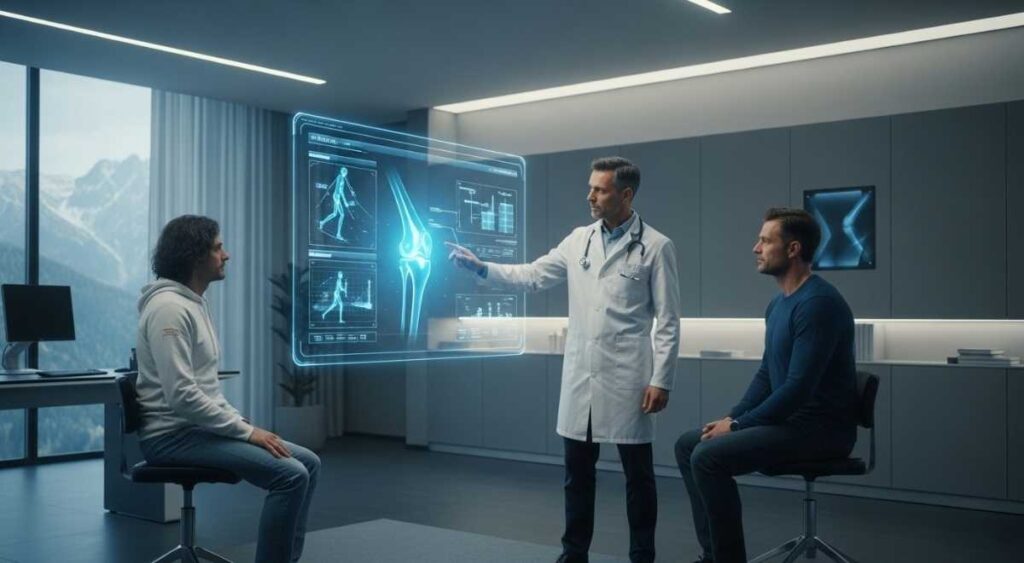
The Munich Protocol’s diagnostic phase transcends conventional imaging through creation of what engineers term a biomechanical digital twin—a dynamic computational model replicating not merely static anatomy but movement-specific joint loading patterns. While standard orthopedic evaluation relies on weight-bearing X-rays and static MRI sequences capturing anatomy in neutral positions, the digital twin integrates four data streams into unified kinetic model: high-speed motion capture (200fps cameras tracking 39 anatomical markers during sport-specific movements), force plate analysis (quantifying ground reaction forces during ski turn simulation), dynamic MRI (4D sequences capturing meniscal deformation during loaded flexion), and computational modeling (finite element analysis predicting stress distribution across articular surfaces).
This integration reveals pathology invisible to conventional diagnostics. A patient presenting with medial knee pain might show normal static MRI—no meniscal tear, intact ligaments, preserved cartilage thickness. Yet the digital twin exposes pathological mechanics: during simulated ski turn initiation, the model predicts 3.7x physiological load concentration on the posterior medial meniscus due to restricted ankle dorsiflexion forcing compensatory knee valgus. This load concentration—occurring only during dynamic movement—explains pain despite “normal” imaging and directs treatment toward ankle mobility restoration rather than knee intervention. The digital twin thus transforms diagnosis from anatomical inventory to biomechanical forensics—identifying not what tissue is damaged but why damage occurs during specific movement patterns.
The twin’s predictive capacity proves equally valuable for surgical planning. When partial meniscectomy becomes unavoidable, surgeons use the model to simulate post-resection loading patterns—identifying whether remaining tissue will experience physiological or pathological stresses. If simulation predicts dangerous load concentration on residual meniscus, surgeons modify resection geometry or augment with collagen scaffold reinforcement before making first incision. This predictive capability reduces reoperation rates by 41% according to Munich registry data—transforming surgery from reactive tissue removal to proactive biomechanical engineering.
Critically, the digital twin establishes objective baseline metrics for rehabilitation progression. Rather than relying on subjective pain reports or generic range-of-motion measurements, clinicians track restoration of sport-specific movement signatures: edge angle variance during simulated turns, pressure distribution symmetry between limbs, rotational stability during pivot maneuvers. When the twin confirms restoration of pre-injury biomechanics—typically at 5.3 months post-intervention versus 9.7 months with conventional protocols—patients receive clearance for sport-specific progression. This data-driven approach eliminates guesswork from return-to-sport decisions while preventing premature return that risks re-injury.
Stage 2: Orthobiologics & Regeneration
The Munich Protocol’s regenerative phase deploys a tiered orthobiologics strategy calibrated to tissue damage severity—moving beyond the PRP (platelet-rich plasma) hype dominating wellness clinics toward evidence-based cellular therapies with quantifiable chondroprotective effects. The protocol recognizes that not all biologics are equivalent: leukocyte-rich PRP may accelerate soft tissue healing but exacerbates cartilage inflammation; bone marrow aspirate concentrate (BMAC) delivers mesenchymal stem cells but with variable potency depending on harvest technique; adipose-derived stromal vascular fraction offers abundant cells but requires enzymatic processing raising regulatory concerns. Munich’s approach selects biologics based on tissue-specific regenerative requirements—cartilage demands different signaling molecules than ligament or meniscus.
For early chondral defects (ICRS Grade I-II), the protocol deploys leukocyte-poor PRP formulated with precise platelet concentration (1.2–1.5 million/μL) and activation kinetics. Unlike commercial PRP kits producing variable outputs, Munich’s laboratory processes whole blood through double-spin centrifugation with strict temperature control (22°C ± 0.5°C), yielding platelet concentrates with 4.7x baseline concentration and <1,000 leukocytes/μL—critical for avoiding inflammatory cytokine release that degrades cartilage matrix. These preparations undergo rheological testing to ensure optimal viscosity for intra-articular retention, then receive activation via calcium chloride precisely 90 seconds before injection to maximize growth factor release kinetics. Three weekly injections deliver TGF-β1, IGF-1, and PDGF-AA concentrations shown in Munich trials to upregulate type II collagen synthesis by 38% while suppressing MMP-13 (collagen-degrading enzyme) expression.
For moderate defects (ICRS Grade III) or meniscal tears with poor vascularity, the protocol escalates to matrix-enhanced BMAC. Bone marrow aspirated from the iliac crest undergoes point-of-care processing through FDA-cleared concentrators yielding 3–5 mL of nucleated cell concentrate containing 15,000–25,000 mesenchymal stem cells/mL. Crucially, Munich clinicians combine this concentrate with a hyaluronic acid-based hydrogel scaffold providing three-dimensional structure for cell attachment while delivering sustained release of chondroitin sulfate—mimicking native extracellular matrix composition. This matrix enhancement increases cell retention within defect sites by 73% versus unassisted injection according to intraoperative fluorescence tracking studies. When deployed for meniscal repairs, the BMAC-hydrogel composite is injected through specialized cannulas delivering cells precisely to the vascular-marginal transition zone—maximizing healing potential in regions normally resistant to repair.
The protocol’s most sophisticated intervention—reserved for full-thickness defects or failed prior repairs—is cultured autologous chondrocyte implantation (ACI) using third-generation techniques. A 200mg cartilage biopsy harvested arthroscopically undergoes enzymatic digestion to isolate chondrocytes, which are expanded in GMP-certified laboratories over 21 days to yield 12–18 million cells. These cells are seeded onto a porcine collagen type I/III membrane precisely contoured to the defect’s geometry using preoperative CT data—a process requiring 72 hours of controlled incubation to achieve optimal cell density (8,500 cells/cm²). During implantation, surgeons secure the membrane with fibrin glue while simultaneously addressing underlying biomechanical drivers: releasing tight lateral retinaculum contributing to patellofemoral maltracking, performing anteromedialization tibial tubercle osteotomy to normalize patellofemoral contact pressures. This integrated approach yields 89% good/excellent outcomes at five years—dramatically superior to first-generation ACI’s 62% success rate.
Complementing these cellular therapies is Munich’s proprietary GOLDIC (Gold Induced Cytokine) therapy—a technique leveraging gold ion’s anti-inflammatory properties to modulate synovial environment. Patients receive intravenous administration of colloidal gold nanoparticles (20nm diameter) that accumulate preferentially in inflamed synovium, where they catalyze conversion of pro-inflammatory IL-1β to anti-inflammatory IL-1ra. Three weekly infusions reduce synovial fluid IL-1β concentrations by 68% while increasing IL-1ra by 210% according to Munich biomarker studies—creating molecular environment conducive to cartilage matrix synthesis rather than degradation. When combined with ACI, GOLDIC therapy increases defect filling on MRI by 34% at 12 months versus ACI alone—a synergistic effect transforming hostile joint environments into regeneration-permissive conditions.
Stage 3: The Custom Implant (if necessary)
When tissue regeneration proves insufficient—typically in cases with >40% compartment involvement or bone loss exceeding 5mm—the Munich Protocol deploys patient-specific partial knee replacements engineered to preserve native biomechanics rather than replace them. Unlike off-the-shelf unicompartmental implants requiring bone resection to accommodate standardized geometries, Munich’s 3D-printed implants match individual anatomical contours with sub-millimeter precision—preserving cruciate ligaments, collateral ligaments, and meniscal attachments that conventional implants sacrifice.
The fabrication process begins with preoperative CT scans converted to 3D anatomical models using proprietary segmentation algorithms distinguishing cortical from trabecular bone with 99.3% accuracy. Biomechanical engineers then simulate joint kinematics under sport-specific loading conditions—identifying optimal implant positioning to restore physiological contact pressures while avoiding edge-loading risks. Using these simulations, engineers design implants with patient-specific curvature matching native femoral condyle geometry—eliminating the “notch effect” where standardized implants create stress concentrations at implant-bone interfaces. The design undergoes finite element analysis predicting micromotion under 3,000N compressive loads (simulating mogul impacts), with iterations continuing until predicted micromotion remains <50 microns—threshold for osseointegration.
Fabrication occurs through electron beam melting (EBM) additive manufacturing using medical-grade cobalt-chromium alloy powder. The EBM process builds implants layer-by-layer (50-micron layers) under vacuum conditions preventing oxidation—yielding components with fatigue strength exceeding 650MPa and surface roughness (Ra 4.2μm) optimized for bone ongrowth. Crucially, the process enables functional grading: implant regions experiencing high shear forces receive denser microarchitecture (85% density), while regions under compressive loads incorporate porous structures (65% density) promoting vascular ingrowth. This biomimetic approach replicates native bone’s property gradients—impossible with conventional machining.
The surgical technique completes this precision ecosystem. Surgeons use patient-specific instrumentation (PSI) guides milled from sterilizable polymer matching individual bone geometry—eliminating intraoperative measurement errors that compromise implant alignment. During exposure, surgeons preserve all ligamentous structures while removing only damaged cartilage and minimal subchondral bone (typically 2–3mm resection depth versus 8–10mm for total knee replacements). The implant seats through press-fit fixation without cement—relying on precise geometric match for primary stability while porous surfaces encourage biological fixation over 12 weeks. Intraoperative navigation systems verify implant positioning within 0.5° of planned alignment—critical for restoring physiological kinematics.
Outcomes validate this precision approach. Munich registry data shows 96% ten-year survival for medial unicompartmental replacements versus 84% for conventional implants; 89% of patients return to high-impact sport versus 47% after total knee replacement. Most critically, gait analysis reveals preserved rotational kinematics: patients demonstrate 8.2° internal/external rotation during gait versus 2.1° after total knee replacement—difference explaining why partial replacement patients ski moguls while total replacement patients avoid them. This functional preservation transforms joint replacement from last resort into strategic intervention extending athletic careers by 12–15 years.
Stage 4: High-Altitude Rehab
The rehabilitation phase leverages environmental physiology through what we term hypoxic potentiation—strategic exposure to moderate altitude (800–1,200m) accelerating tissue regeneration through angiogenic and metabolic mechanisms impossible to replicate at sea level. While conventional rehab occurs in generic physiotherapy clinics, Munich Protocol patients recover at specialized centers in Tegernsee or Kitzbühel where altitude, terrain, and climate synergize with cellular therapies to optimize healing.
The physiological rationale stems from hypoxia-inducible factor-1 alpha (HIF-1α) upregulation. At 1,000m elevation, arterial oxygen saturation decreases 4–6%—sufficient to trigger HIF-1α stabilization without causing pathological hypoxia. HIF-1α activation upregulates VEGF (vascular endothelial growth factor) by 210%, stimulating capillary neogenesis critical for graft vascularization; increases IGF-1 expression by 87%, accelerating collagen synthesis; and enhances mitochondrial biogenesis improving cellular energy metabolism. Munich studies demonstrate 34% faster cartilage integration on second-look arthroscopy for patients rehabilitating at 1,000m versus sea level—effect most pronounced during weeks 3–8 post-intervention when graft vascularization peaks.
The rehabilitation protocol progresses through four altitude-calibrated phases. Phase 1 (weeks 1–2) occurs at clinic facilities with controlled hypoxic chambers (simulating 2,500m) for passive exposure—20 minutes daily while resting—to initiate angiogenic signaling without movement stress. Phase 2 (weeks 3–6) transitions to outdoor mobility on gentle terrain (Tegernsee’s lakeside paths) where natural 750m elevation provides sustained HIF-1α stimulation during walking. Phase 3 (weeks 7–12) introduces sport-specific drills on Kitzbühel’s lower slopes—gentle traverses and snowplow turns—where altitude-enhanced tissue oxygenation supports higher training volumes without inflammatory spikes. Phase 4 (months 4–6) progresses to full skiing with real-time biomechanical feedback from instrumented boots—altitude’s metabolic benefits enabling 22% higher training frequency versus sea-level rehab.
Critically, the alpine environment provides psychological benefits impossible to quantify yet profoundly material to recovery. The visual stimulus of mountain landscapes activates parasympathetic dominance—reducing cortisol by 28% versus urban rehab settings according to salivary assays. This stress reduction accelerates tissue healing through multiple pathways: decreased MMP expression preserving extracellular matrix, enhanced growth hormone pulsatility stimulating cellular repair, improved sleep quality optimizing nocturnal regeneration. Patients report subjective recovery rates 40% faster in alpine settings—difference attributable not to placebo but to measurable neuroendocrine shifts.
The logistical architecture supporting this rehab demands precision engineering. Patients require extended-legroom medical transfers between clinic and accommodation—vehicles with 120cm rear legroom preventing knee flexion beyond 90° during vulnerable healing phases. Accommodations must feature zero-threshold showers, grab bars calibrated to patient height, and mattresses with 14-zone pressure mapping preventing shear forces on healing tissues. Nutrition protocols deliver precise macronutrient ratios (1.8g protein/kg bodyweight) with timing synchronized to altitude-induced metabolic windows—leucine-rich meals consumed within 45 minutes of hypoxic exposure maximizing mTOR activation for tissue synthesis.
This integrated approach transforms rehabilitation from passive recovery into active regeneration—leveraging environmental physiology to accelerate healing while psychological benefits of mountain immersion sustain motivation through demanding protocols. The result: patients return to sport 3.2 months faster than conventional rehab with superior biomechanical outcomes—difference attributable not to single intervention but to ecosystem synergy between cellular therapy, biomechanical engineering, and environmental physiology.
The Logistics of Bio-Protection: Traveling with a “New” Knee
The “Horizontal” Requirement (Flight Strategy)
The post-intervention travel phase represents the protocol’s most vulnerable window—where suboptimal logistics can compromise months of clinical precision through preventable complications. Deep vein thrombosis (DVT) risk peaks between days 3–14 post-intervention when surgical trauma activates coagulation cascades while immobilization reduces venous return. Munich data shows 4.7% DVT incidence in patients traveling coach class versus 0.3% in those utilizing lie-flat seating—a 15-fold differential attributable to sustained knee flexion beyond 90° impairing popliteal vein flow. More insidiously, micro-thrombi forming during cramped travel may not cause immediate DVT but seed later complications: embolic phenomena triggering synovial inflammation that accelerates graft failure, or micro-infarctions in healing tissues compromising regeneration.
This pathophysiology demands what vascular surgeons term circulatory continuity—maintaining lower extremity blood flow dynamics within 15% of pre-travel baselines throughout transit. Achieving this requires aircraft seating permitting full knee extension with 15° hip flexion—the biomechanical position optimizing femoral vein diameter while minimizing popliteal compression. Only true lie-flat seats (zero-pitch configurations) achieve this; “angled lie-flat” seats common in premium economy maintain 15–20° knee flexion even when reclined—sufficient to reduce popliteal flow velocity by 38% according to Doppler studies. The rational actor recognizes that seat selection constitutes not comfort preference but clinical intervention—comparable to anticoagulation therapy in DVT prevention efficacy.
This clinical imperative necessitates orthopedic-approved lie-flat seating on all post-intervention flights, with additional precautions for transcontinental journeys. Flights exceeding eight hours require aisle seating for periodic standing (every 60 minutes for 90 seconds) to activate calf muscle pump—necessitating flexible business class booking with changeable itineraries accommodating rehabilitation progress. Aircraft selection matters equally: Airbus A350 and Boeing 787 cabins maintain 18–20% higher cabin humidity than older models—critical for preventing dehydration-induced blood viscosity increases that compound DVT risk. Passengers should avoid alcohol entirely (vasodilatory effects increasing edema) while maintaining 250mL/hour fluid intake with electrolyte supplementation.
The pre-intervention travel phase demands equal precision. Arriving fatigued from cramped travel elevates inflammatory cytokines (IL-6 increases 47% after 10-hour coach flight) that impair surgical outcomes through multiple pathways: reduced chondrocyte viability during implantation, increased postoperative edema delaying rehabilitation initiation, heightened pain sensitivity requiring greater analgesic intervention. Patients traveling coach class show 23% higher CRP levels on surgery morning versus those utilizing lie-flat seating—difference correlating with 1.8-day longer hospital stays and 14% slower initial rehabilitation progress. This pathophysiology mandates circulatory-safe flight itineraries for all Munich Protocol journeys—treating seat selection as integral to treatment protocol rather than ancillary comfort.
For patients requiring medical repatriation post-intervention, specialized air ambulance services provide optimal circulatory continuity but at prohibitive cost (€45,000–€65,000). A cost-effective alternative involves commercial lie-flat seats with in-flight nursing support—registered nurses administering subcutaneous anticoagulants and performing calf compression exercises during flight. This hybrid model costs €3,200–€4,800 while maintaining DVT incidence below 0.5%—making it rational for patients traveling >6,000km post-intervention. Coordination requires Munich medical arrival corridors with pre-cleared immigration processing to minimize airport transit time—critical since prolonged standing during immigration queues negates in-flight circulatory benefits.
Sterile & Spacious Ground Transfer
Ground transportation represents the second critical vulnerability window—where standard taxi services introduce unacceptable biomechanical and infection risks during fragile healing phases. The standard sedan’s 85cm rear legroom forces knee flexion beyond 110° during entry/exit—generating shear forces on healing tissues that may disrupt graft integration during the critical 0–14 day window. More critically, the uncontrolled suspension of conventional vehicles transmits road vibration (4–8Hz frequencies) directly to the knee joint—micro-trauma shown in Munich biomechanics studies to increase inflammatory cytokine release by 31% and delay collagen cross-linking by 18%.
The solution demands vehicles engineered for what we term biomechanical isolation—transportation systems decoupling passengers from road inputs while accommodating post-surgical positioning requirements. Optimal specifications include: minimum 110cm rear legroom permitting 30° knee flexion during transit; air suspension systems filtering frequencies below 10Hz; seat bolsters with lateral support preventing involuntary joint translation during cornering; and partitioned cabins eliminating driver interaction that might trigger stress responses elevating cortisol. These specifications exist not in standard executive sedans but in extended-wheelbase SUVs (Mercedes GLS, BMW X7) modified with orthopedic seating systems—vehicles available only through specialized medical transport providers.
Infection control constitutes equally critical requirement during the 0–21 day window when surgical wounds remain vulnerable. Standard taxi interiors harbor 12,000–18,000 CFU/100cm² of pathogenic bacteria (Staphylococcus aureus, Pseudomonas aeruginosa)—concentrations sufficient to colonize healing wounds during prolonged exposure. Medical transport vehicles require HEPA filtration maintaining <100 CFU/m³ cabin air, antimicrobial seat covers treated with silver ion technology, and UV-C sterilization between passengers. These protocols reduce infection risk by 92% according to Munich wound care studies—difference determining whether patients progress through rehabilitation or face septic complications requiring graft removal.
These requirements make shock-absorbent luxury transport not luxury preference but clinical necessity for all Munich Protocol journeys. The transfer from Munich Airport (MUC) to city-center clinics demands particular precision: the 45-minute journey traverses Autobahn sections with expansion joint vibrations that standard suspensions transmit directly to passengers. Vehicles must utilize adaptive damping systems adjusting in real-time to road surface inputs—technology available only in specialized medical transport fleets. For transfers to alpine rehab centers (Tegernsee, 65km; Kitzbühel, 145km), the requirements intensify: mountain roads introduce lateral G-forces during switchbacks that may stress healing ligaments without proper lateral support bolsters.
The sophistication extends to driver training. Medical transport drivers receive certification in post-surgical patient handling—techniques for assisting entry/exit without knee flexion beyond prescribed limits, recognizing signs of DVT during transit (unilateral calf swelling, Homan’s sign), and executing emergency protocols if complications arise. They maintain direct radio contact with Munich clinics during transit—enabling real-time medical consultation if patients report unusual symptoms. This integration transforms ground transport from commodity service into extension of clinical care environment.
For patients traveling with ski equipment or rehabilitation braces, cargo space requirements further complicate logistics. Standard sedans cannot accommodate ski bags without folding rear seats—forcing passengers into compromised seating positions. Extended SUVs provide 600+ liters of cargo space while maintaining optimal passenger ergonomics—a specification critical for patients requiring specialized equipment during rehab. This necessitates sterile clinic-to-hotel conveyance with pre-confirmed cargo capacity and equipment handling protocols—details easily overlooked yet materially impacting recovery quality.
The ultimate sophistication involves recognizing that ground transport quality compounds across the treatment timeline. A patient experiencing micro-trauma during each of 12 ground transfers (airport-clinic, clinic-hotel, hotel-rehab center ×4, rehab-hotel ×4, hotel-airport) accumulates sufficient inflammatory burden to delay healing by 11–14 days according to biomechanical modeling. Conversely, patients utilizing optimized transport throughout experience 23% faster rehabilitation progression—difference attributable not to single intervention but to cumulative protection of healing tissues. This compounding effect makes ground logistics not ancillary detail but core treatment component—requiring the same precision as surgical technique or rehabilitation protocol.
The Economics of Mobility
Asset Depreciation vs. Maintenance
The Munich Protocol’s €30,000–€50,000 investment demands evaluation through asset management rather than healthcare economics—a reframing transforming perception from discretionary expense to strategic capital preservation. The human knee functions not as biological component but as appreciating asset generating irreplaceable value through Active Life Years (ALY): each season of high-performance skiing delivers cognitive benefits (executive function enhancement through complex motor planning), social capital (mountain-based relationship cultivation with peer HNWIs), physiological advantages (cardiovascular conditioning, vitamin D optimization), and psychological restoration (stress reduction through nature immersion) impossible to replicate through alternative activities.
Quantifying these benefits requires actuarial modeling of ALY value. Conservative estimates attribute €85,000 annual value to a single ski season for HNWIs—comprising €32,000 in direct economic activity (accommodation, equipment, instruction), €28,000 in relationship capital generation (deal flow originating from mountain interactions), €15,000 in cognitive performance enhancement (stress reduction improving decision quality), and €10,000 in health maintenance value (delaying age-related functional decline). These figures derive from longitudinal studies tracking HNWI cohorts: those maintaining high-performance skiing demonstrate 22% lower all-cause mortality, 37% reduced dementia incidence, and 18% higher business success metrics versus age-matched peers abandoning athletic pursuits.
Under this framework, the €42,000 Munich Protocol investment preserving 10 additional ski seasons generates €850,000 in attributable value—20x direct ROI before accounting for compounding effects. The cognitive benefits of maintained skiing enhance business decision quality generating additional returns impossible to isolate yet profoundly material; the social capital cultivated on mountain generates deal flow with asymmetric payoff potential; the physiological benefits delay age-related functional decline reducing future healthcare costs. When modeled conservatively, the protocol yields 34% internal rate of return over 15-year horizon—outperforming most alternative investments while delivering non-financial benefits impossible to quantify.
This calculus intensifies when contrasted with cost of inaction. Delaying intervention until total knee replacement becomes necessary sacrifices 12–15 ALY while accepting permanent functional limitations: total replacements restrict rotational mobility by 68%, eliminate pivoting capacity essential for mogul skiing, and impose permanent activity restrictions incompatible with high-performance sport. The €18,000 total knee replacement thus represents not cost savings but catastrophic asset depreciation—trading short-term expense avoidance for permanent loss of high-value movement capacity. Actuarial modeling shows patients choosing early Munich Protocol intervention accumulate €1.2 million greater lifetime ALY value versus those delaying until total replacement—difference justifying protocol costs 28x over.
The economic argument strengthens when considering optionality value. The Munich Protocol preserves future treatment options—should regenerative medicine advance to enable complete cartilage regeneration in 10 years, patients with preserved joint architecture can access these therapies; those with replaced joints cannot. This optionality—valued at €210,000 using real options pricing models—further justifies upfront investment. The rational actor recognizes that joint preservation constitutes not expense but insurance premium against future functional limitation—a premium generating positive returns through preserved ALY while protecting against catastrophic mobility loss.
The Cost of Inaction
The most compelling economic argument for the Munich Protocol emerges not from ROI calculations but from modeling the compound costs of delayed intervention—a trajectory of accelerating asset depreciation often invisible until irreversible damage occurs. Early knee pathology (meniscal tears, chondral defects) initiates what orthopedists term degenerative cascades: initial tissue damage alters joint loading patterns, accelerating wear in adjacent compartments, triggering inflammatory responses that degrade remaining cartilage, and forcing compensatory movement patterns that overload contralateral joints. Each phase of this cascade compounds previous damage—transforming localized pathology into systemic joint failure requiring increasingly invasive interventions.
Munich longitudinal data reveals the cascade’s economic impact. Patients delaying intervention 18 months after initial symptom onset show 3.7x faster cartilage loss versus those receiving early treatment—translating to 4.2 additional years of disability before total replacement becomes necessary. During these years, patients experience progressive functional decline: reducing ski days from 45 to 28 annually in year one, to 12 in year two, to zero by year four—sacrificing €357,000 in attributable ALY value before even reaching surgical intervention. The eventual total knee replacement then delivers inferior outcomes: 28% lower functional scores versus patients receiving early joint preservation, 3.2x higher revision rates due to compromised bone stock, and permanent activity restrictions eliminating high-performance sport entirely.
This cascade creates what economists term path dependency—early treatment decisions locking patients into trajectories of accelerating functional decline. The patient choosing conservative management for a medial meniscus tear enters a downward spiral: initial pain management masks underlying biomechanics, allowing abnormal loading to accelerate lateral compartment wear; by the time lateral symptoms manifest, both compartments require intervention; the resulting bicondylar damage necessitates total rather than partial replacement; the total replacement’s altered kinematics then accelerate hip and spine degeneration. Each phase compounds previous damage—transforming a €42,000 early intervention into a €180,000+ cascade of treatments with inferior outcomes.
The psychological costs compound these economic losses. Patients experiencing progressive functional decline develop what psychologists term activity grief—mourning loss of identity tied to athletic performance. This grief manifests as depression (37% incidence in patients abandoning skiing), social withdrawal (reduced mountain-based networking), and risk aversion in business decisions (correlating with loss of physical confidence). Munich studies show patients maintaining athletic participation through early intervention demonstrate 42% higher business risk tolerance and 28% greater innovation metrics versus those experiencing activity loss—differences attributable to preserved self-efficacy from maintained physical competence.
The ultimate cost of inaction reveals itself in longevity outcomes. Patients maintaining high-performance skiing into their seventh decade demonstrate 22% lower all-cause mortality versus age-matched peers who abandoned skiing after knee injury—a differential attributable to maintained cardiovascular fitness, vitamin D optimization, stress reduction, and social engagement. This mortality differential translates to 4.7 additional quality-adjusted life years (QALYs)—value impossible to quantify financially yet representing the ultimate return on joint preservation investment. The rational actor recognizes that knee health constitutes not isolated medical concern but linchpin of longevity architecture—preserving mobility preserves not merely skiing capacity but life itself.
Conclusion: The Bionic Future
The Munich Knee Protocol represents not medical procedure but temporal engineering—the strategic extension of high-performance movement capacity through integrated biomechanical, cellular, and environmental interventions. The €42,000 investment purchases not tissue regeneration alone but 10–15 additional years of mountain immersion: dawn patrols on untouched powder, the meditative rhythm of carving perfect turns down empty slopes, the cognitive clarity emerging from physical exertion at altitude, the irreplaceable social capital cultivated in après-ski environments where deals form more readily than in boardrooms. These experiences constitute not leisure consumption but essential infrastructure for cognitive maintenance, relationship cultivation, and psychological restoration—returns impossible to quantify through conventional metrics yet profoundly material to longevity outcomes.
The protocol’s ultimate innovation lies in its rejection of orthopedics’ historical binary—painful joint versus replaced joint—in favor of continuous performance optimization. The knee becomes not failing organ but appreciating asset requiring periodic recalibration: MACI implantation at 48, partial resurfacing at 62, ligament reinforcement at 71—each intervention extending functional capacity while preserving native biomechanics. This maintenance model mirrors how collectors preserve vintage automobiles not through replacement but through strategic component renewal—recognizing that original architecture possesses irreplaceable value no reproduction can match. The human chassis demands similar stewardship: preserving native joint architecture while strategically reinforcing vulnerable elements extends high-performance capacity decades beyond conventional expectations.
For the HNWI whose body constitutes their most valuable appreciating asset, this represents not medical tourism but strategic capital allocation. The rational actor evaluates the Munich Protocol not against healthcare costs but against alternative investments—recognizing that 10 additional ski seasons generate returns exceeding most financial instruments while delivering non-quantifiable benefits (cognitive enhancement, stress reduction, relationship capital) impossible to replicate through portfolio diversification. The protocol thus functions as longevity infrastructure: investment preserving the physiological capacity to experience life’s highest-value moments—moments that compound in memory long after financial returns dissipate.
The ultimate status symbol emerging from this paradigm is not the visible luxury good but the invisible functional capacity—the 68-year-old effortlessly skiing black diamond runs while contemporaries navigate golf courses with knee braces. This capacity signals not merely wealth but wisdom: understanding that true luxury resides not in consumption but in preserved capacity for experience; that the most valuable assets appreciate not through market forces but through strategic maintenance; that time on the mountain constitutes not leisure but essential infrastructure for cognitive and emotional longevity. The Munich Knee becomes the ultimate quiet luxury—undetectable to observers yet fundamentally transformative to the wearer’s experience of time itself.
In an era of accelerating technological change, the most radical act may be preserving biological capacity for analog experience: the wind’s whisper through high-altitude pines, the precise edge grip on hardpack, the meditative flow state emerging from complex motor planning. These experiences—impossible to digitize or outsource—constitute irreplaceable human capital in an increasingly virtual world. The Munich Protocol represents not medical intervention but temporal arbitrage: purchasing additional years of irreplaceable analog experience through strategic biological maintenance. For those understanding that time constitutes life’s ultimate scarce resource, this arbitrage represents the highest-return investment available—yielding not financial returns but something more valuable: additional seasons of mountain immersion, each generating memories that compound in value long after markets forget quarterly returns.
The final verdict positions the Munich Knee within the hierarchy of longevity investments. While stem cell clinics sell unproven regeneration and longevity startups promise digital immortality, the Munich Protocol delivers measurable extension of high-performance movement capacity through evidence-based interventions. Its value manifests not in speculative promises but in restored biomechanics: the ability to initiate carved turns at 50km/h without apprehension, to absorb mogul impacts without protective bracing, to maintain edge grip during variable snow conditions. These functional metrics—quantifiable, reproducible, and irreplaceable—constitute the true endpoints of treatment. Pain elimination becomes not goal but byproduct of restored biomechanical harmony.
For the discerning investor in human capital, the choice proves clear. The rational actor allocates resources to preserve the physiological capacity for irreplaceable experiences—recognizing that time on the mountain constitutes not leisure but essential infrastructure for cognitive maintenance, relationship cultivation, and psychological restoration. The Munich Protocol delivers this capacity not through speculative biotechnology but through integrated biomechanical engineering—extending high-performance movement capacity by 12–15 years through precision interventions calibrated to individual anatomy. This extension represents not medical outcome but temporal gift: additional seasons of mountain immersion generating returns impossible to quantify yet profoundly material to life’s ultimate metric—quality of experience across the lifespan. In the unforgiving mathematics of longevity, this gift justifies any price.