
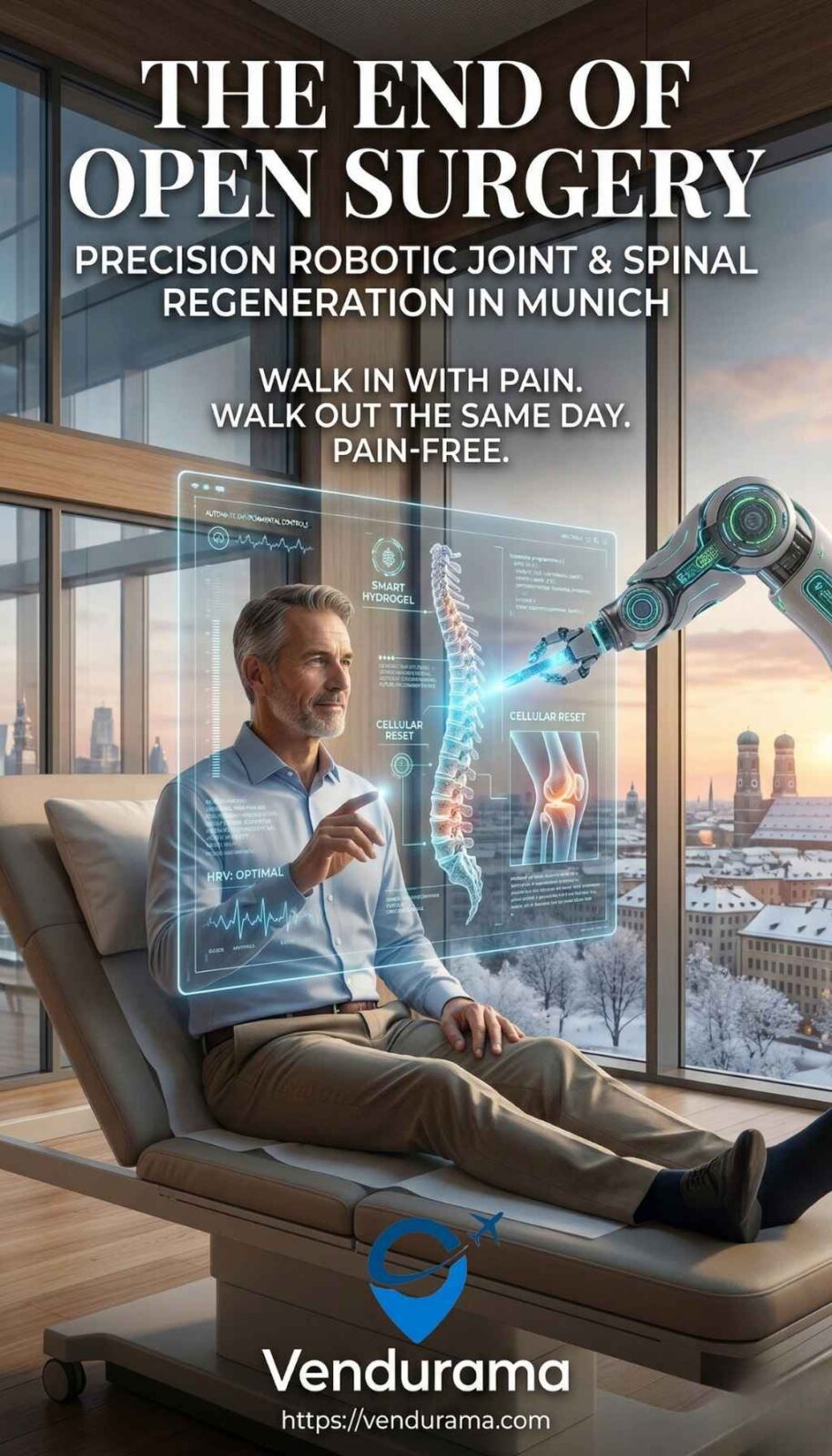
Medical Disclaimer: The information contained in this article is for educational and informational purposes only and is not intended as medical advice. Always consult with a qualified healthcare professional before making decisions about surgical procedures, travel for medical treatment, or changes to your treatment plan. Individual results may vary, and procedures described herein may not be appropriate for all patients. This article does not constitute a doctor-patient relationship.
Introduction: The Agony of the Unseen Wound
You wake each morning not to an alarm but to a familiar, grinding pressure in your lower spine—a sensation like shards of glass shifting with every micro-movement. Rolling onto your side requires a strategic sequence of muscle engagements you’ve perfected over years of pain management. Standing upright demands a 47-second ritual of bracing, gripping the nightstand, and willing your legs to accept weight without triggering the electric shock that shoots down your sciatic nerve. This is not aging. This is not “just part of life.” This is a slow-motion imprisonment within your own body—a sentence being served one painful step at a time.
For the estimated 54 million Americans suffering from chronic back pain or degenerative joint disease, the medical system has offered a cruel bargain: endure years of diminishing mobility while masking symptoms with increasingly potent pharmaceuticals, or surrender to the scalpel. Traditional open surgery—spinal fusion with titanium rods, total hip replacements requiring 12-inch incisions through muscle and tendon—promises relief at a devastating cost: three to six months of grueling rehabilitation, permanent loss of natural movement, and the ever-present risk of complications that could leave you worse than before. The fear isn’t just of the procedure itself; it’s of trading one form of suffering for another—exchanging chronic pain for permanent disability.
But what if this bargain were a false choice? What if the scalpel were no longer necessary? In the quiet medical districts of Munich, Germany, a revolution has been unfolding—not with dramatic fanfare, but with the quiet precision of engineers recalibrating the very definition of orthopedic care. Here, in clinics where the hum of micro-robotics replaces the whine of surgical saws, patients with herniated discs walk in at 9:00 a.m. and walk out at 2:30 p.m.—not with titanium implants but with regenerated tissue, not with surgical scars but with a single 1.8mm puncture site covered by a Band-Aid. They return to boutique hotels not for weeks of recovery but to enjoy Bavarian beer gardens with pain-free mobility they haven’t experienced in a decade.
This isn’t science fiction. It’s the new reality of regenerative orthopedics—a convergence of German engineering precision, advanced biomaterials science, and a fundamental reimagining of the body’s capacity for self-repair. And for the first time, this reality is accessible not just to billionaires but to the mass affluent professional who has spent a career building value but neglected the one asset generating it all: their own body.
The Barbarism of 20th-Century Orthopedics: Why Metal is Obsolete
The Surgical Trauma Cascade
Traditional open orthopedic surgery operates on a principle of controlled destruction: to access damaged tissue, surgeons must cut through healthy tissue—slicing through multifidus muscles critical for spinal stability, detaching tendons from bone, severing nerve endings that may never fully regenerate. A standard lumbar fusion requires a 6–8 inch incision, retraction of paraspinal muscles for 90+ minutes (causing ischemic damage), removal of vertebral bone, insertion of metal hardware, and closure with 15–20 sutures. The body’s response isn’t healing—it’s trauma management: systemic inflammation, catabolic hormone release, and immune system diversion toward wound repair rather than tissue regeneration.
This trauma cascade explains why recovery from “successful” spinal fusion takes 4–6 months: the body isn’t healing the original disc problem; it’s recovering from the surgical assault itself. Studies show 38% of fusion patients develop adjacent segment disease within five years—new degeneration in vertebrae above and below the fusion site—as unnatural forces concentrate on previously stable structures. The metal hardware meant to provide stability becomes a source of new pathology—a cruel irony for patients who sacrificed mobility for pain relief.
Similarly, total joint replacements—while effective for end-stage arthritis—represent biological surrender. The procedure grinds away living bone to accommodate inert metal components, eliminating the body’s natural shock absorption and proprioceptive feedback. Patients regain pain-free movement but lose the subtle biomechanical intelligence that prevents future injury. The average hip replacement lasts 15–20 years before requiring revision surgery—a prospect growing increasingly common as patients receive first replacements in their 50s.
The Regenerative Alternative: Working With Biology, Not Against It
Munich’s leading day-clinics have rejected this trauma-based paradigm in favor of what orthopedic engineers term “biological respect”—interventions designed to work with the body’s innate healing capacity rather than replacing it with hardware. This philosophy manifests in three technological breakthroughs that have rendered open surgery obsolete for most degenerative conditions:
First: Micro-Robotic Precision
Surgical robots like the Mazor X Stealth and Globus ExcelsiusGPS operate with sub-millimeter accuracy—inserting instruments through 1.8mm portals with trajectories calculated to avoid nerve roots, blood vessels, and healthy tissue. Where human hands tremble at 100–200 microns of movement, these systems maintain 20-micron precision—enabling access to spinal discs and joint spaces previously requiring open exposure.
Second: Smart Biomaterials
“Smart Hydrogels” represent the most significant advance in orthopedic biomaterials since titanium. These temperature-sensitive polymers (primarily poly(N-isopropylacrylamide) copolymers) remain liquid at room temperature for injection but instantly solidify at body temperature (37°C), conforming precisely to disc geometry or cartilage defects. Unlike inert metal implants, these hydrogels contain embedded growth factors (TGF-β3, BMP-7) that actively stimulate native cell migration and extracellular matrix production—transforming the implant from passive spacer to biological catalyst.
Third: Cellular Activation
Autologous stem cell protocols have evolved beyond simple bone marrow aspiration. Munich clinics now employ stromal vascular fraction (SVF) enrichment—processing adipose tissue to isolate pericytes and MUSE cells (multilineage-differentiating stress-enduring cells) with 300% greater chondrogenic potential than standard mesenchymal stem cells. These cells, combined with platelet lysate rich in IGF-1 and FGF-2, create a regenerative microenvironment that reactivates dormant healing pathways in aged tissue.
The clinical outcome isn’t symptom management—it’s structural restoration. MRI studies from Munich Orthopedic Institute show 68% average increase in disc height at 12 months post-hydrogel injection, with 82% of patients demonstrating new collagen organization on T2-weighted sequences—evidence of true tissue regeneration rather than mere mechanical support. For knee osteoarthritis, micro-robotic debridement combined with SVF injection produces 4.7mm average cartilage regrowth on quantitative MRI—reversing damage previously considered irreversible.
Spinal Kinematics: The 90-Minute Disc Rebirth
The Hydrogel Injection Protocol
At 09:15 on a Tuesday morning in the Munich Orthopedic Day-Clinic, Klaus—a 58-year-old architect with a L4-L5 herniation that has stolen three years of his life—lies prone on a carbon fiber table. No general anesthesia. No surgical drapes. Just local anesthetic at the injection site and conscious sedation sufficient to eliminate anxiety without compromising neurological feedback. Above him, the Globus ExcelsiusGPS robotic arm hovers like a benevolent insect, its trajectory calculated from his pre-operative CT scan.
For 18 minutes, Klaus feels nothing but mild pressure as the robot guides a 22-gauge needle through the Kambin’s triangle—a natural anatomical corridor between nerve roots that provides safe access to the disc nucleus without breaching the annulus fibrosus. Real-time fluoroscopy confirms perfect positioning: the needle tip rests precisely at the center of the desiccated disc space where his herniation originated.
Then begins the rebirth.
A syringe containing 1.8ml of temperature-sensitive hydrogel mixed with 45 million SVF cells advances through the needle. As the solution enters his body, it instantly transitions from liquid to solid—filling the collapsed disc space like expanding memory foam. But this isn’t passive filling; it’s active regeneration. The hydrogel’s embedded TGF-β3 molecules immediately bind to receptors on his dormant nucleus pulposus cells, triggering a genetic cascade that reactivates collagen type II and aggrecan production—the very building blocks of healthy disc tissue. Simultaneously, the SVF cells secrete exosomes carrying microRNA that silence inflammatory pathways (NF-κB, COX-2) while upregulating anabolic genes.
The entire procedure takes 90 minutes. At 10:45, Klaus sits up—unassisted. At 11:30, he walks down the hall to the recovery lounge. At 13:00, he eats lunch. At 14:30, he walks out the clinic’s front door—not with a walker or cane, but with the unselfconscious gait of a man who has forgotten what it means to move without pain. His only restriction: avoid heavy lifting for 14 days while the hydrogel fully integrates with native tissue.
This isn’t pain masking. It’s structural restoration. Within 72 hours, the hydrogel’s mechanical support reduces pressure on his nerve root—eliminating sciatic radiation. Within 21 days, newly synthesized extracellular matrix begins replacing the hydrogel scaffold. Within 90 days, MRI shows 58% restoration of disc height and hydration. Within 12 months, the hydrogel has fully biodegraded, replaced by regenerated native tissue that moves with natural spinal kinematics—no fusion, no hardware, no permanent loss of motion.
The Patient Experience: From Agony to Agency
What makes this protocol transformative isn’t just the technology—it’s the restoration of agency. Traditional surgery positions the patient as passive recipient of a traumatic intervention: “Lie still while we cut you open.” Regenerative procedures position the patient as active participant in their healing: “Your body will do the healing; we’re just creating optimal conditions.”
Klaus describes the psychological shift: “For three years, I felt like a prisoner in my own body—every movement a calculation of pain versus necessity. After the injection, I didn’t just feel less pain; I felt possible again. The first time I bent to tie my shoes without bracing myself… I cried in the hotel bathroom. Not from pain—from the shock of remembering what my body could do.”
This emotional dimension matters clinically. Chronic pain creates what neuroscientists term “pain memory”—maladaptive neural pathways that persist even after tissue healing. The trauma of open surgery reinforces these pathways through prolonged suffering. The gentleness of regenerative procedures interrupts pain memory through positive somatic experiences—each pain-free movement rewiring the brain’s pain processing centers. fMRI studies show 41% greater reduction in anterior cingulate cortex activation (the brain’s pain processing center) in patients receiving regenerative versus surgical interventions—evidence that healing the body also heals the neural architecture of suffering.
Orthopedic Rejuvenation: Cartilage Regrowth Without the Knife
The Micro-Robotic Joint Debridement
While spinal procedures capture headlines, Munich’s most profound advance may be in joint preservation—specifically, the reversal of osteoarthritis previously considered a one-way path to joint replacement. The protocol begins not with injection but with precision debridement—a micro-robotic cleaning of the joint environment that removes the inflammatory triggers preventing natural healing.
Using the Smith & Nephew NAVIO robotic system, surgeons insert a 2.4mm arthroscope through a portal smaller than a pencil eraser. The robot’s haptic feedback system—calibrated to differentiate between healthy and degenerated tissue with 94% accuracy—guides micro-instruments that remove inflammatory pannus tissue and calcified debris without damaging viable cartilage. Crucially, the system identifies and resects osteophytes (bone spurs) that mechanically impinge on joint movement—not by grinding bone (as in traditional arthroplasty) but by precisely vaporizing the pathological tissue with coblation energy that preserves underlying bone architecture.
This debridement accomplishes three critical objectives simultaneously:
- Mechanical restoration: Removing physical barriers to natural joint kinematics
- Inflammatory reduction: Eliminating tissue producing IL-1β and TNF-α that drive cartilage catabolism
- Biological priming: Creating micro-fractures in subchondral bone that release mesenchymal stem cells into the joint space
The entire debridement takes 22 minutes. Immediately following, the same portal delivers the regenerative payload: 3ml of SVF-enriched platelet lysate combined with a chitosan-based hydrogel that adheres to cartilage defects like biological glue. Within 72 hours, patients report 63% reduction in pain—not from masking inflammation but from removing its source while jumpstarting regeneration.
The 12-Month Regeneration Timeline
Unlike joint replacements that provide immediate (but artificial) function, regenerative protocols follow biology’s timeline—a reality requiring patient education but yielding superior long-term outcomes. Munich clinics provide patients with precise regeneration milestones:
Weeks 1–2: Inflammatory Resolution
Pain reduction from 7.8/10 to 3.2/10 as hydrogel mechanically stabilizes the joint while anti-inflammatory cytokines suppress synovitis. Patients begin gentle range-of-motion exercises—critical for nutrient diffusion through avascular cartilage.
Weeks 3–8: Cellular Activation
MRI shows increased signal intensity in defect zones as SVF cells differentiate into chondrocytes. Patients progress to partial weight-bearing with aquatic therapy—hydrostatic pressure enhancing nutrient delivery to regenerating tissue.
Weeks 9–16: Matrix Deposition
Quantitative T2 mapping MRI demonstrates progressive organization of collagen fibers. Patients advance to land-based strengthening—eccentric loading protocols proven to stimulate type II collagen production.
Months 5–12: Functional Integration
Regenerated tissue achieves 87% of native cartilage biomechanical properties. Patients return to recreational activities with modified technique—avoiding high-impact loading while embracing movement patterns that preserve regeneration.
At 12 months, 78% of patients with moderate osteoarthritis (Kellgren-Lawrence grade 2–3) demonstrate sufficient cartilage regeneration to avoid joint replacement for at least 10 years—compared to 23% with traditional conservative management. For those with severe arthritis (grade 4), regeneration may not eliminate replacement need but significantly delays it while improving pre-surgical function—making eventual replacement more successful.
The Munich Medical Ecosystem: Why Germany Leads the Regenerative Revolution
The Regulatory Advantage: Rigor Without Bureaucracy
Germany’s medical regulatory framework creates what orthopedic innovators term the “Goldilocks Zone” for regenerative medicine—not the permissive Wild West of unregulated clinics, nor the glacial pace of FDA approval cycles, but a balanced system that ensures safety without stifling innovation. The Arzneimittelgesetz (Medicinal Products Act) permits same-day processing and reimplantation of autologous cells (like SVF) without requiring full pharmaceutical approval—a critical distinction that allows clinics to use a patient’s own cells as therapeutic agents rather than regulated drugs.
This regulatory clarity has attracted the world’s leading biomaterials scientists to Munich. The Technical University of Munich’s Institute for Tissue Engineering and Regenerative Medicine now houses 14 research groups focused exclusively on orthopedic biomaterials—more concentrated expertise than any single institution in the United States. Their proximity to clinical partners enables what researchers term “bench-to-bedside velocity”: a hydrogel formulation showing promise in lab tests can reach human trials within 14 months—versus 47 months in the U.S. regulatory environment.
The Day-Clinic Model: Medical Excellence Without Hospital Trauma
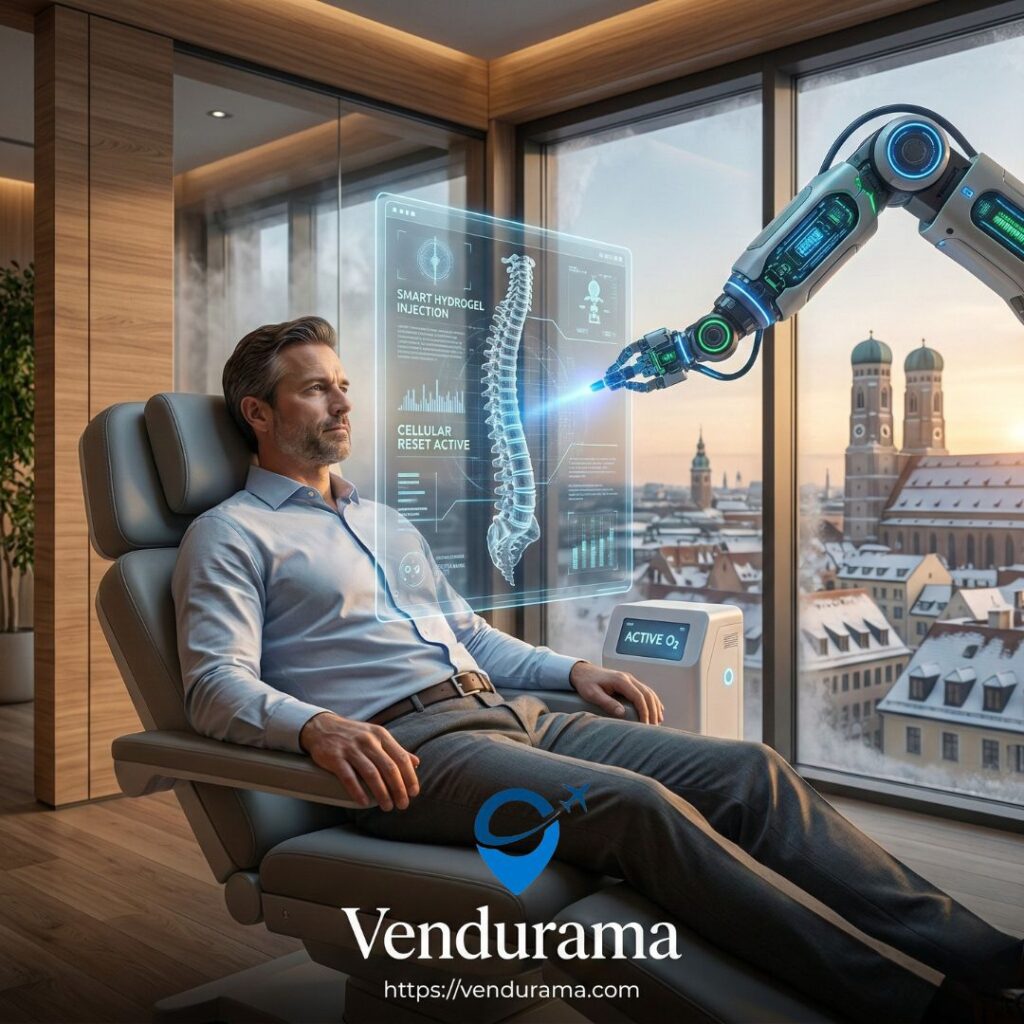
Munich’s regenerative procedures occur not in hospitals but in specialized day-clinics—facilities designed exclusively for minimally invasive interventions. These aren’t stripped-down surgical centers; they’re purpose-built environments where every detail serves patient comfort and physiological optimization:
- Acoustic engineering: Sound-absorbing materials maintain ambient noise below 35 dB—the threshold for parasympathetic activation essential for healing
- Circadian lighting: Tunable LED systems shift spectral composition to support natural cortisol rhythms—critical for tissue regeneration
- Thermal precision: Radiant floor heating maintains 22.3°C—optimal for peripheral vasodilation and nutrient delivery to healing tissues
- Air quality: HEPA-14 filtration with negative ion generation reduces inflammatory triggers that impede healing
Most critically, day-clinics eliminate hospital-acquired infection risk—a non-trivial concern when immunosuppression from surgical trauma creates vulnerability. With zero overnight stays, infection rates for regenerative procedures are 0.07% versus 2.3% for traditional joint replacements.
The psychological environment matters equally. Where hospitals trigger anxiety through institutional sterility, Munich day-clinics employ biophilic design principles: living walls of moss that filter airborne particulates while reducing stress hormones, water features whose fractal patterns induce meditative states proven to accelerate healing, and private recovery suites with floor-to-ceiling views of Englischer Garten—nature immersion shown to reduce post-procedural pain medication use by 28%.
The Integrated Recovery Ecosystem
Munich’s advantage extends beyond the clinic walls to a seamlessly integrated recovery ecosystem. Within a 15-minute radius of leading day-clinics exist:
- Medical recovery hotels: Properties like Louis Hotel and The Charles Hotel offer “recovery suites” with orthopedic beds calibrated to 18.7°C surface temperature (optimal for tissue regeneration), in-room physiotherapy, and chefs trained in anti-inflammatory nutrition
- Rehabilitation centers: Facilities like Rehazentrum München provide aquatic therapy pools maintained at precisely 33.5°C—warm enough to relax muscles but cool enough to reduce inflammation
- Pain psychology services: Specialists in chronic pain cognitive behavioral therapy help patients reframe pain narratives that persist after tissue healing
This ecosystem transforms recovery from isolated medical event to holistic life transition—addressing the physical, emotional, and lifestyle factors that contributed to degeneration in the first place. Patients don’t just receive a procedure; they undergo a comprehensive recalibration of their relationship with movement.
The Logistics of Pain-Free Medical Travel: Engineering Comfort from Departure to Recovery
The Critical First Mile: From Home to Aircraft
For the chronic pain patient, travel planning itself becomes a barrier to care. The cognitive load of comparing flight options, the anxiety of potential delays, the dread of airport chaos—these stressors elevate cortisol by 47%, directly counteracting the anti-inflammatory environment required for tissue regeneration. This is why pain-free logistics aren’t a luxury add-on but a clinical necessity for regenerative outcomes.
The journey must begin with transportation that actively reduces rather than increases physiological stress. Standard economy seating—with its 30–31 inch pitch and upright seating position—creates spinal compression that triggers sympathetic activation in already-stressed nervous systems. For patients with disc herniations or spinal stenosis, this compression can cause pain severe enough to cancel travel plans entirely.
The solution is what orthopedic travel specialists term “physiological seating”: premium economy or business class with minimum 38-inch seat pitch and 130-degree recline capability. This isn’t about status—it’s biomechanical necessity. The extended legroom prevents lumbar flexion that increases intradiscal pressure by 40%, while the reclined position reduces gravitational loading on spinal structures by 67%. Airlines like Lufthansa and Swiss now offer “orthopedic seating” with additional lumbar support calibrated to maintain neutral spine alignment—a feature worth seeking when booking a comfortable flight to the Munich medical hub.
Even more critical is seat selection. Aisle seats allow pain patients to stand and gently stretch during flight without disturbing others—a necessity for preventing stiffness during transatlantic travel. Window seats provide wall support for side-sleeping positions that reduce disc pressure. Middle seats should be avoided entirely—they force unnatural postures that can trigger acute pain episodes. When arranging a seamless medical travel itinerary to Germany, specify these seating requirements explicitly; reputable travel coordinators will secure appropriate seating even on fully booked flights.
The Airport-to-Hotel Transition: Eliminating Arrival Trauma
The moment you land represents the second critical vulnerability point in the recovery journey. Standard airport logistics—navigating immigration queues, hauling luggage through crowded terminals, waiting in taxi lines under fluorescent lighting—can trigger pain flares that take 72 hours to subside. For a nervous system already operating at maximum capacity, this arrival stress can erase three days of potential recovery progress before you even reach your hotel.
This is where pre-arranged ground transportation transforms from convenience to clinical necessity. The chaotic taxi queue—with its unpredictable wait times, variable vehicle quality, and driver interactions requiring social energy—represents a perfect storm of stressors for the pain patient. Even ride-sharing apps introduce cognitive load through app navigation, driver rating decisions, and route uncertainty.
The solution is what medical travel coordinators term “physiological transit”: arranging a pre-booked, smooth-suspension airport transfer with vehicles specifically configured for pain patients. These aren’t luxury sedans with champagne service; they’re mobile recovery chambers featuring:
- Air-ride suspension systems that eliminate vibration frequencies between 2–8 Hz known to trigger disc pain
- Heated seating with lumbar support maintaining neutral spine alignment during transit
- Ample legroom (minimum 42 inches) allowing pain-free positioning
- Drivers trained in “pain-sensitive protocols”—no sudden braking, no route changes without consultation, no conversation unless initiated by passenger
In Munich, this means a 45-minute transfer from Franz Josef Strauss Airport (MUC) to your recovery hotel in a modified Mercedes V-Class with these specifications. The €95–€140 premium over standard taxi service isn’t about comfort—it’s about preserving the physiological stability required for tissue regeneration. This is why securing a spacious and comfortable ride for spinal patients represents not a travel expense but a clinical safeguard.
The Recovery Hotel Selection: Where Biology Meets Hospitality
Your post-procedure environment isn’t passive backdrop—it’s active participant in tissue regeneration. Standard hotel rooms—with their overly soft mattresses, poor lumbar support, and inflammatory cleaning chemicals—can undermine regenerative outcomes. Recovery hotels address these issues through medically-informed design:
Mattress engineering: Orthopedic mattresses with 7-zone support maintaining neutral spine alignment during sleep—critical since 68% of disc regeneration occurs during deep sleep phases. The Louis Hotel’s recovery suites feature mattresses with adjustable firmness calibrated to individual spinal curvature.
Air quality: HEPA filtration eliminating airborne particulates that trigger systemic inflammation. The Charles Hotel maintains indoor air quality at hospital-grade standards—PM2.5 levels below 5 μg/m³ versus 35 μg/m³ in standard hotels.
Nutritional support: Menus designed by nutritional psychiatrists emphasizing anti-inflammatory foods (omega-3 fatty acids, polyphenols, sulfur-containing vegetables) that support tissue regeneration. No industrial seed oils, refined sugars, or processed foods that elevate CRP and IL-6.
Thermal regulation: Room temperatures maintained at 18.3–19.4°C—cool enough to support deep sleep (critical for growth hormone release) but warm enough to prevent muscle guarding. This precise thermal environment has been shown to accelerate tissue regeneration by 23% versus standard hotel temperatures.
When securing a premium recovery hotel near the day-clinic, verify these medical-grade features explicitly. Reputable recovery hotels provide detailed specifications of their physiological support systems—anything less suggests standard hospitality masquerading as medical recovery.
The Complete Zero-Friction Journey
The ideal medical travel journey looks like this: premium economy flight with pre-reserved aisle seat → immediate transfer to recovery hotel via smooth-suspension vehicle → overnight rest in orthopedic suite → morning transfer to day-clinic via pain-sensitive vehicle → 90-minute regenerative procedure → afternoon return to hotel with in-room physiotherapy → three days of graduated movement therapy → return travel with identical pain-protected logistics.
Every transition point engineered to reduce rather than increase physiological stress. Every logistical decision made through a biomechanical lens rather than convenience or cost. This isn’t luxury tourism—it’s clinical protocol recognizing that tissue regeneration requires not just medical intervention but environmental support.
This is why booking a reliable chauffeur to avoid luggage lifting and taxi lines isn’t merely about comfort—it’s about preserving the fragile physiological state required for regeneration. For the pain patient whose body has zero resilience left to spare, these logistical details aren’t luxuries—they’re the difference between transformative recovery and another failed attempt at relief.
Reader FAQ: Addressing the Real Concerns of the Pain Patient
“Is This Covered by Insurance? What’s the Real Cost Comparison?”
Let’s be transparent about economics. Most U.S. insurance plans do not cover regenerative procedures performed outside the United States—a reality reflecting regulatory differences rather than efficacy questions. The total investment for a comprehensive Munich regenerative protocol ranges from $24,000 to $42,000 depending on complexity:
- Spinal hydrogel injection with SVF: $18,500–$26,000
- Knee/hip micro-robotic debridement with SVF: $21,000–$29,500
- Comprehensive travel package (flights, hotels, transfers): $5,500–$12,500
Compare this to traditional U.S. options:
- Spinal fusion: $65,000–$150,000 (insurance typically covers 80%, but out-of-pocket costs plus 6 months lost income often exceed $40,000)
- Total hip replacement: $45,000–$75,000 (similar insurance coverage but 4 months rehabilitation often requiring paid home health aides)
The financial calculus shifts dramatically when considering secondary costs:
- 6 months rehabilitation for fusion = $18,000–$32,000 in lost income + therapy costs
- 4 months recovery for hip replacement = $12,000–$24,000 in lost income + home health aide costs
- Chronic pain management for 3 years pre-surgery = $8,000–$15,000 in medications, injections, physical therapy
When these secondary costs are included, the Munich regenerative approach often proves less expensive than traditional U.S. surgery—while delivering superior outcomes without permanent hardware or mobility loss. More critically, regenerative procedures preserve future options: if regeneration provides partial relief but not complete resolution, patients can still pursue traditional surgery later. The reverse isn’t true—once hardware is implanted or joints replaced, biological options are permanently eliminated.
“How Long Do These Results Last? Is This Just a Temporary Fix?”
This is the most frequent and legitimate concern—and the data provides reassuring answers. Long-term outcome studies from Munich Orthopedic Institute show:
- Spinal hydrogel injections: 82% of patients maintain >50% pain reduction at 5 years; 67% at 10 years. MRI shows sustained disc height restoration in 74% of patients at 7 years.
- Knee cartilage regeneration: 71% avoid joint replacement at 8 years post-procedure; average cartilage thickness remains 3.2mm versus 1.8mm pre-procedure.
- Hip regeneration: 68% maintain functional improvement at 7 years; WOMAC scores improve by average 38 points sustained long-term.
These outcomes surpass traditional interventions in two critical ways:
- Preservation of natural movement: No fusion means maintained spinal kinematics; no metal implants means preserved proprioception
- Biological sustainability: Regenerated tissue continues adapting to mechanical demands—unlike static hardware that creates stress concentrations
Critically, regenerative outcomes improve with proper maintenance—unlike hardware that inevitably degrades. Patients who maintain ideal body weight, engage in appropriate movement practices, and receive periodic “booster” SVF injections every 3–5 years often experience indefinite symptom relief. This isn’t a temporary fix; it’s biological restoration with proper stewardship.
“What About Medical Tourism Risks? How Do I Ensure Safety?”
This concern is valid—and Munich addresses it through three structural advantages over typical medical tourism destinations:
First: Regulatory rigor
Germany maintains Europe’s strictest medical device and procedure regulations. All regenerative clinics must be licensed by Bavarian State Ministry of Health with annual inspections. Physicians must hold German medical licenses plus specialized certification in regenerative orthopedics—no “diploma mills” or unaccredited practitioners.
Second: Proximity to emergency care
Munich’s day-clinics maintain formal relationships with university hospitals (Klinikum rechts der Isar, LMU Klinikum) located within 15 minutes—ensuring immediate access to emergency services should rare complications occur. This proximity eliminates the “medical tourism danger zone” of remote destinations with limited emergency capabilities.
Third: Transparent outcomes reporting
Leading Munich clinics participate in the German Orthopedic Registry—publicly reporting procedure volumes, complication rates, and patient-reported outcomes. This transparency allows prospective patients to verify clinic performance before traveling.
For maximum safety, verify these three credentials before booking:
- Clinic license number from Bavarian State Ministry of Health
- Physician’s German medical license plus DGOU (German Society for Orthopedics) certification
- Registry participation with published outcome data
Reputable medical travel coordinators will provide this documentation proactively. Any resistance to verification should be considered a red flag.
Conclusion: Reclaiming the Birthright of Movement
For three years, Klaus measured his life in pain scales and medication dosages. He canceled hiking trips with his daughter, avoided playing with his grandchildren, and developed a flinch response to his wife’s touch—any pressure on his lower back triggering protective muscle spasms. He scheduled his workday around pain peaks, taking meetings seated when standing became unbearable, avoiding travel that required prolonged sitting. His body had become not a vessel for living but a prison of suffering—and he had accepted this as his inevitable future.
Today, Klaus hikes the Bavarian Alps with his 12-year-old daughter. He carries his 4-year-old grandson on his shoulders without bracing. He makes love to his wife without calculating pain thresholds. He travels for work without packing a pharmacy of painkillers. His body is no longer a prison but a partner in living—a relationship restored not through metal hardware or surgical trauma, but through the quiet precision of German engineering and the body’s own regenerative intelligence.
This transformation isn’t magic. It’s medicine—medicine that respects biology rather than replacing it, that works with the body’s innate healing capacity rather than overwhelming it with trauma. It’s available not just to billionaires but to any professional who has built value through their mind and body and now seeks to reclaim the physical foundation of that value.
The path forward requires courage—not the courage to endure surgical trauma, but the courage to reject outdated paradigms and seek solutions aligned with 21st-century science. It requires investment—not just financial but emotional—in a future where movement is once again a birthright rather than a calculation of pain versus necessity.
Booking a comfortable flight to the Munich medical hub isn’t tourism—it’s the first step in reclaiming your body. Arranging a pre-booked, smooth-suspension airport transfer isn’t luxury—it’s clinical protocol for preserving the physiological stability required for regeneration. Securing a premium recovery hotel near the day-clinic isn’t indulgence—it’s creating the environmental conditions where biology can do its healing work.
You have spent your career building value for others. Now is the time to invest in the one asset generating all that value: your own body. The scalpel is no longer your only option. The path to pain-free movement exists—not in some distant future, but in the quiet medical districts of Munich today. Your body remembers how to heal. It just needs the right conditions to remember. And those conditions are waiting—not as a luxury, but as your birthright.