
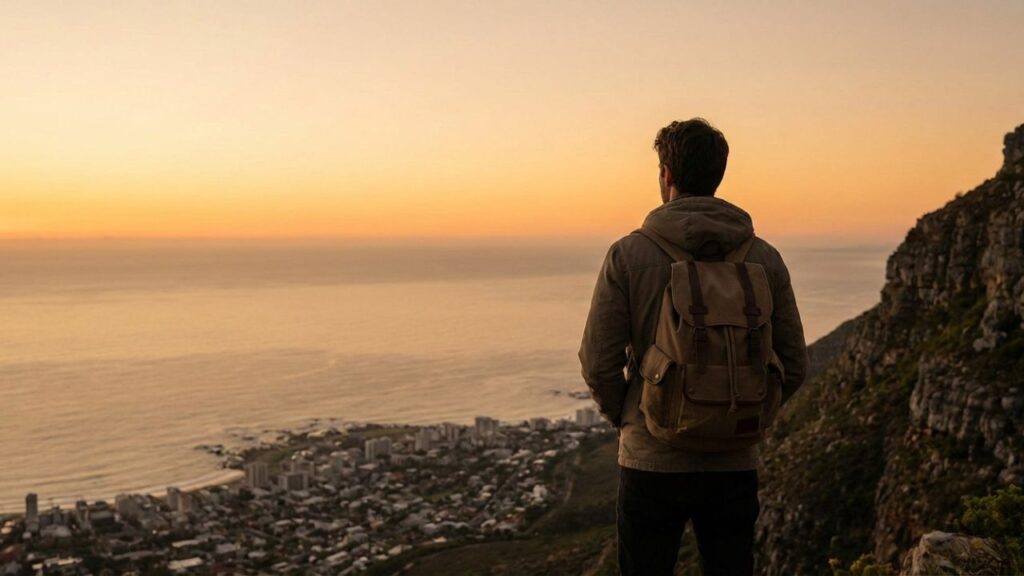
In a world that seems to move faster every day, the concept of pausing to catch one’s breath has never been more vital. Travel, once a luxury reserved for the few, has evolved into a fundamental aspect of modern lifestyle and mental well-being. While business trips and family obligations often force us to move from place to place, true rejuvenation is found in leisure travel—the conscious decision to explore the world for the sheer joy of it.
Whether it involves a weekend camping trip a few hours from home or a month-long backpacking expedition across a different continent, leisure tourism offers a unique escape from the routine. It is an invitation to disconnect from daily pressures and reconnect with oneself and the wider world.
Understanding Leisure Travel: Definition and Key Features
At its core, leisure travel is defined as travel undertaken for pleasure, relaxation, or personal enrichment, rather than for business or professional purposes. It is the voluntary movement of people to destinations outside their normal environment, primarily driven by the desire to experience something new or simply to rest.
The key features of leisure tourism distinguish it from other forms of travel:
- Voluntary Nature: Unlike business travel, which is often mandatory, leisure travel is a personal choice driven by internal motivation.
- Focus on Experience: The primary goal is enjoyment. This could mean lying on a beach, hiking a mountain, visiting museums, or sampling local cuisine.
- Duration Flexibility: A leisure trip can last anywhere from a short weekend city break to a year-long sabbatical.
- Freedom of Itinerary: Leisure travelers have the autonomy to decide their schedule. Modern digital tools make it easier than ever for individuals to browse global flights and stay options independently, allowing for spontaneous changes to the plan.
Why We Need a Break: The Benefits of Leisure Travel
Taking time off to travel offers profound benefits that extend well beyond the duration of the trip itself. Psychologists and health professionals increasingly view leisure travel as an essential component of a balanced life.
- Stress Reduction and Mental Health: Stepping away from the workplace and domestic responsibilities lowers cortisol levels. The change of scenery breaks the cycle of chronic stress, leading to improved mental clarity.
- Cultural Broadening: Exposure to different cultures, languages, and customs fosters empathy and open-mindedness. It challenges our perspectives and helps us understand our place in the global community.
- Physical Well-being: Active leisure travel—such as swimming, hiking, or walking through historic cities—improves physical fitness. Even passive travel, like a spa retreat, aids in physical recovery and rest.
- Strengthened Relationships: Traveling with partners, family, or friends creates shared memories and strengthens bonds through shared experiences and challenges.
Essential Conditions and Practical Requirements
While the spirit of leisure travel is about freedom, successful trips rely on meeting certain practical conditions. Ignoring these requirements can turn a dream vacation into a logistical headache.
- Financial Planning: A clear budget is the foundation of stress-free travel. This includes funds for transportation, accommodation, food, activities, and an emergency buffer.
- Documentation: International leisure travel requires valid passports and, often, visas. Checking entry requirements months in advance is critical.
- Health and Safety: Depending on the destination, travelers may need specific vaccinations or travel insurance.
- Logistics and Timing: Timing your trip to avoid peak tourist seasons or bad weather is a skill. Furthermore, an essential part of the process involves organizing your transport and hotel bookings systematically to ensure your arrival and stay are seamless.
Smart Tips for Planning Your Next Getaway
Planning a leisure trip should be exciting, not overwhelming. By following a few strategic tips, you can maximize your enjoyment and minimize potential friction.
Research and Prioritize Start by listing what you absolutely must see and do. However, leave room for the unexpected. Over-scheduling is a common mistake that leads to burnout rather than relaxation.
Pack Smart and Light Leisure travel often involves moving between locations. Packing versatile clothing and essential toiletries in a manageable suitcase makes navigating trains, buses, and airports much easier.
Utilize Technology Gone are the days of relying solely on physical maps and guidebooks. Today, smart travelers often use online aggregators to secure the most convenient travel arrangements, comparing different routes and prices in one place to optimize their itinerary.
Respect Local Norms A little research into local etiquette—tipping culture, dress codes, and basic greetings—goes a long way. It shows respect for the host community and often results in warmer interactions with locals.
Conclusion
Leisure travel is more than just a movement from point A to point B; it is an investment in your happiness and personal growth. It provides the rare opportunity to hit the pause button on the demands of daily life and immerse yourself in the beauty of the unknown. By understanding the requirements and planning with care, you open the door to experiences that will resonate with you long after you have returned home. The world is vast and waiting—sometimes the most productive thing you can do is relax and explore it.