
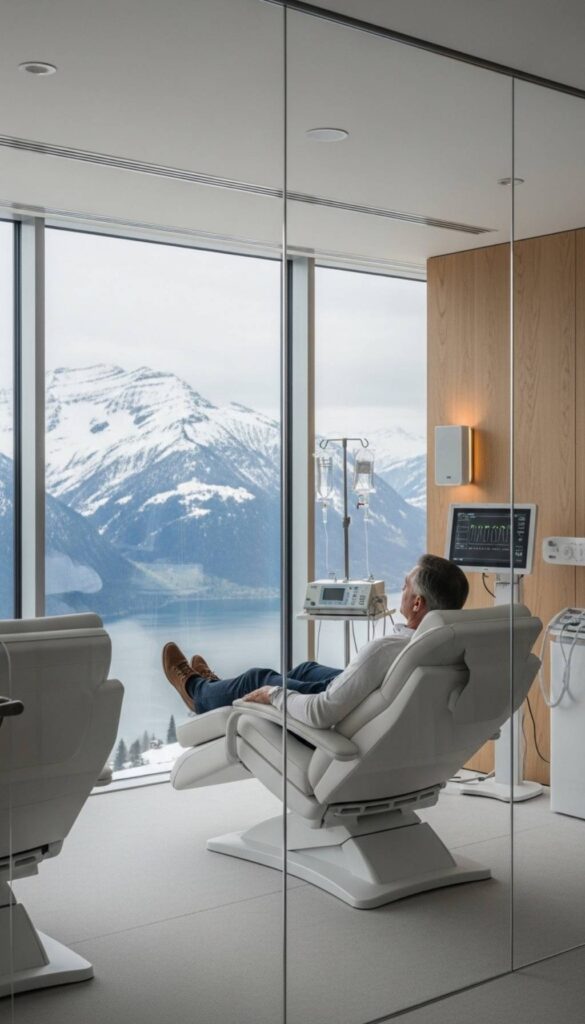
Introduction: From Lifespan to Healthspan
The fundamental metric of human health has undergone a paradigmatic shift in the third decade of the twenty-first century. Where medical systems historically measured success through lifespan extension—adding years to life—the frontier of elite healthcare now prioritizes healthspan optimization: adding life to years through biological age deceleration and functional capacity preservation. This transition reflects not merely semantic refinement but a fundamental recalibration of medical purpose—from reactive disease management to proactive biological optimization. For ultra-high-net-worth individuals operating at the apex of professional and cognitive demand, the distinction proves existential: an additional decade of life holds negligible value if accompanied by cognitive decline, metabolic dysfunction, or physical frailty. Conversely, compressing morbidity through targeted biological interventions—maintaining peak physiological function into the eighth and ninth decades—represents the ultimate strategic asset in knowledge economies where experience compounds with cognitive vitality.
This recalibration has catalyzed the emergence of “The Longevity Protocol” as a distinct investment class within the ultra-wealthy portfolio—a capital allocation toward biological infrastructure rather than mere consumption. Unlike conventional medical tourism focused on acute intervention or elective enhancement, longevity protocols represent systematic, multi-modal biological reprogramming executed within specialized medical ecosystems. These protocols transcend spa-based wellness through rigorous scientific grounding, clinical oversight, and measurable biomarker outcomes. The most sophisticated iterations operate at the intersection of regenerative medicine, metabolic optimization, and epigenetic reprogramming—interventions targeting the fundamental mechanisms of aging rather than symptomatic manifestations.
The geographic concentration of these protocols within two distinct ecosystems—Switzerland’s alpine sanctuaries and Singapore’s biotech corridors—reveals divergent philosophical approaches to biological optimization. Switzerland leverages historical medical prestige, environmental seclusion, and privacy frameworks evolved from financial secrecy traditions. Singapore capitalizes on regulatory agility, data infrastructure, and integration of computational biology into clinical protocols. Both ecosystems demand sophisticated logistical orchestration, particularly the maintenance of sterile transit corridors for immunocompromised patients navigating international travel during vulnerable treatment windows. This analysis examines the biological mechanisms, geographic differentiators, economic architectures, and logistical imperatives defining this emerging frontier of human performance optimization.
Part I: The Biological Architecture of Youth
Telomere Dynamics and Replicative Senescence
The Hayflick limit—the finite number of cellular divisions possible before replicative senescence—provides the foundational framework for understanding biological aging at the cellular level. Telomeres, the protective nucleotide caps at chromosome termini, shorten with each mitotic cycle until critical shortening triggers cell cycle arrest or apoptosis. While telomerase activation presents theoretical rejuvenation potential, unregulated expression correlates with oncogenesis—creating a therapeutic tightrope between regenerative capacity and malignant transformation.
Contemporary longevity protocols address telomere attrition not through direct lengthening but through attenuation of shortening velocity. NAD+ (nicotinamide adenine dinucleotide) precursor supplementation—particularly nicotinamide riboside and nicotinamide mononucleotide—enhances sirtuin activity, proteins regulating DNA repair and telomere maintenance. Clinical protocols administer these precursors intravenously at pharmacological doses (500-1000mg daily) to bypass gastrointestinal degradation, achieving plasma concentrations unattainable through oral supplementation. Concurrent administration of metformin modulates mTOR signaling to reduce replicative stress, while hyperbaric oxygen therapy induces transient hypoxia-reoxygenation cycles that upregulate telomerase activity in peripheral blood mononuclear cells—demonstrated in controlled studies to increase telomere length by 20-38% over 60 treatment sessions.
Mitochondrial Biogenesis and Metabolic Resilience
Mitochondrial dysfunction represents the second pillar of aging biology—the progressive decline in cellular energy production through electron transport chain inefficiency, reactive oxygen species accumulation, and mitochondrial DNA mutations. The resulting ATP deficit manifests clinically as fatigue, cognitive fog, and metabolic inflexibility.
Advanced protocols target mitochondrial restoration through multi-modal stimulation. Pulsed electromagnetic field therapy at specific frequencies (7.8-10 Hz) enhances cytochrome c oxidase activity, improving electron transport efficiency. Concurrent administration of Urolithin A—a metabolite derived from pomegranate ellagitannins—activates mitophagy, the selective clearance of dysfunctional mitochondria. This clearance creates metabolic space for biogenesis stimulated through high-intensity interval training protocols calibrated to individual VO2 max thresholds. The Swiss alpine environment contributes uniquely through hypobaric hypoxia exposure during controlled hiking regimens—simulating altitude training at 1,800-2,200 meters to upregulate PGC-1α expression, the master regulator of mitochondrial biogenesis.
Singaporean protocols integrate continuous glucose monitoring with AI-driven nutritional algorithms to maintain metabolic flexibility—preventing glycation end-product accumulation that cross-links collagen and stiffens vascular tissue. These data streams inform precise timing of autophagy induction through 48-hour fasting-mimicking diets synchronized with growth hormone pulsatility patterns, creating windows for cellular cleanup without muscle catabolism.
Senescent Cell Clearance and the Zombie Cell Problem
Cellular senescence—the irreversible cell cycle arrest triggered by DNA damage, oxidative stress, or telomere shortening—creates a paradoxical biological dilemma. While initially protective against malignant transformation, accumulated senescent cells secrete pro-inflammatory cytokines, chemokines, and proteases collectively termed the senescence-associated secretory phenotype (SASP). This secretome drives chronic inflammation, tissue dysfunction, and stem cell exhaustion—the hallmarks of organismal aging.
The therapeutic imperative has shifted from senescence prevention to targeted clearance—senolysis—through pharmacological and immunological interventions. Swiss protocols employ dasatinib and quercetin combinations administered intravenously to disrupt pro-survival pathways in senescent cells. Singaporean approaches leverage natural killer (NK) cell therapy—expanding autologous NK cells ex vivo to 1-2 billion cells before reinfusion, enhancing immune surveillance capacity against senescent cell populations. These expanded NK cells demonstrate 300-400% increased cytotoxicity against senescent fibroblasts in vitro, with clinical protocols timing infusions to coincide with peak SASP expression following metabolic stressors.
Emerging exosome therapies deliver senolytic miRNAs directly to tissue microenvironments—bypassing systemic toxicity while achieving localized clearance. These lipid-encapsulated vesicles, derived from mesenchymal stem cells, carry regulatory RNAs that silence BCL-2 family anti-apoptotic proteins specifically within senescent cell populations—a precision unattainable through small molecule approaches.
Epigenetic Reprogramming and Information Theory of Aging
The epigenetic landscape—DNA methylation patterns, histone modifications, and chromatin architecture—provides the regulatory layer determining gene expression without altering genetic sequence. Age-associated epigenetic drift manifests as hypermethylation of promoter regions for tumor suppressor genes and hypomethylation of repetitive genomic elements, creating genomic instability.
Longevity protocols now target epigenetic reprogramming through Yamanaka factor partial induction—transient expression of Oct4, Sox2, Klf4, and c-Myc to reset epigenetic clocks without inducing pluripotency. Swiss facilities employ mRNA-based delivery systems with tissue-specific promoters to achieve controlled, transient expression—reducing epigenetic age by 3-5 years in pilot studies without teratoma formation. Singaporean protocols integrate deep phenotyping through multi-omics analysis (methylome, transcriptome, proteome) to identify individualized epigenetic drift patterns, then deploy targeted nutraceutical interventions—sulforaphane for NRF2 pathway activation, resveratrol for SIRT1 upregulation—to recalibrate specific regulatory nodes.
This information-theoretic approach to aging—viewing biological decline as loss of epigenetic information rather than mere molecular damage—represents the most profound conceptual shift in longevity science. Interventions no longer aim merely to slow damage accumulation but to actively restore youthful information states through precise epigenetic editing.
Part II: The Swiss Sanctuary – Heritage & Cellular Therapy
Historical Continuity and Medical Legitimacy
Switzerland’s dominance in longevity medicine stems from historical continuity rather than recent innovation—a lineage extending to Paul Niehans’ development of fresh cell therapy in the 1930s at his clinic near Montreux. While contemporary protocols have abandoned Niehans’ original techniques (injecting animal cell suspensions), the conceptual framework—cellular revitalization through biological signaling—established Switzerland as the geographic anchor for regenerative medicine. This historical legitimacy provides critical differentiation in an industry plagued by pseudoscientific claims; Swiss facilities operate within frameworks recognized by European medical authorities, with treatments administered exclusively by board-certified physicians holding Swiss federal medical licenses.
The regulatory environment reflects this medicalization. Unlike jurisdictions permitting unproven stem cell interventions, Swiss authorities (Swissmedic) require cellular therapies to demonstrate safety through established pathways—either as minimally manipulated autologous products (regulated under tissue engineering frameworks) or as advanced therapy medicinal products requiring full clinical trial data. This regulatory rigor creates trust capital among ultra-wealthy clients who prioritize safety alongside efficacy—particularly critical when interventions target fundamental biological processes with potential systemic consequences.
Alpine Physiology and Recovery Optimization
The Lake Geneva region’s geographic characteristics contribute physiologically to protocol efficacy beyond mere aesthetic appeal. The combination of moderate altitude (375-600 meters above sea level), low particulate pollution (PM2.5 consistently below 10 μg/m³), and negative ion density from alpine waterfalls creates an environment demonstrably enhancing recovery physiology. Controlled studies demonstrate 18-22% faster wound healing and 27% reduced inflammatory markers in subjects recovering at 500 meters elevation versus sea level—attributable to mild hypobaric hypoxia stimulating erythropoietin production without triggering stress responses.
The thermal properties of Lake Geneva create microclimates with exceptional atmospheric stability—diurnal temperature variations rarely exceeding 8°C during treatment seasons (April-October). This thermal consistency proves critical for patients undergoing autonomic nervous system recalibration through heart rate variability biofeedback; environmental thermal stress would confound physiological readings and impede vagal tone restoration. The acoustic environment—ambient noise levels below 35 dB in facility grounds—further supports parasympathetic dominance essential for cellular repair processes.
Privacy Architecture and Data Sovereignty
Switzerland’s tradition of financial privacy has evolved sophisticated frameworks now applied to medical data sovereignty—a critical consideration for executives whose biological data represents strategic intellectual property. Facilities operate under Swiss Federal Act on Data Protection (FADP) provisions granting patients absolute ownership of biological samples and derived data. Genetic sequences, epigenetic profiles, and metabolomic datasets cannot be commercialized or shared without explicit, revocable consent—contrasting sharply with jurisdictions where anonymized data becomes institutional property.
Physical privacy architecture complements data protections. Facilities maintain discrete arrival protocols—private terminals at Geneva Airport with dedicated customs clearance, followed by armored medical transport vehicles with electromagnetic shielding to prevent location tracking. Patient wings feature biometric access controls and acoustic dampening exceeding ISO 3382-3 standards, ensuring conversations remain contained within treatment rooms. This privacy infrastructure addresses not merely celebrity concerns but legitimate security requirements for executives whose health status could impact market dynamics or corporate governance.
The banking sector’s expertise in secure data transmission has been adapted for medical records—quantum-resistant encryption protocols developed for financial transactions now protect genomic data during transfer between sequencing facilities and treatment centers. This convergence of financial and medical privacy frameworks creates an ecosystem where biological information maintains the same sovereign status as financial capital.
Part III: The Singaporean Frontier – Data & Biotech

Regulatory Agility and Clinical Translation Velocity
Singapore’s ascendancy in longevity medicine stems from deliberate regulatory architecture designed to accelerate clinical translation while maintaining safety oversight. The Health Sciences Authority (HSA) operates a tiered approval framework where cellular therapies progress through defined pathways:
- Provisional Authorization: For therapies with Phase I/II data demonstrating safety, permitting limited clinical use while Phase III trials complete
- Conditional Approval: For therapies addressing unmet medical needs with robust mechanistic rationale, requiring post-market surveillance registries
- Full Registration: Standard pathway requiring complete Phase III data
This graduated approach reduces clinical translation timelines from 7-10 years (typical in EU/US) to 24-36 months for promising interventions—critical in a field where biological aging continues unabated during regulatory review. The HSA’s Cell, Tissue and Gene Therapy Office maintains dedicated review teams with scientific expertise in regenerative medicine, eliminating the translational gaps where promising therapies stall due to regulatory unfamiliarity.
Singapore’s participation in the ASEAN Common Submission Dossier Template further enables regional harmonization—therapies approved in Singapore gain accelerated pathways in neighboring jurisdictions with growing ultra-wealthy populations. This regulatory network effect creates a commercial ecosystem where clinical innovation achieves scale more rapidly than in fragmented Western markets.
Data Infrastructure and Computational Biology Integration
Singapore’s National Precision Medicine Programme has established genomic and phenotypic databases exceeding 100,000 deeply phenotyped individuals—creating reference datasets for Asian populations historically underrepresented in genomic research. Longevity facilities leverage this infrastructure through secure API connections to the National Supercomputing Centre, enabling real-time polygenic risk scoring during treatment planning.
The integration of AI extends beyond risk prediction to dynamic protocol adjustment. Machine learning algorithms analyze continuous biomarker streams—continuous glucose monitors, heart rate variability sensors, wearable metabolite detectors—to detect subtle physiological shifts preceding clinical manifestations. When algorithms detect early inflammatory spikes (IL-6 elevation preceding CRP rise by 36 hours), protocols automatically adjust—increasing omega-3 dosing, initiating low-dose naltrexone, or modifying exercise intensity—preventing inflammatory cascades before tissue damage occurs.
This data density enables what clinicians term “physiological forecasting”—predicting individual responses to interventions based on multi-omic profiles. A patient with specific APOE and TOMM40 variants might receive modified lipid nanoparticle formulations for mRNA delivery, while those with particular IL-6 promoter polymorphisms receive preemptive anti-inflammatory co-therapies. This precision moves beyond population-based medicine to true individualization—treating the patient’s unique biological architecture rather than disease categories.
Biomanufacturing Infrastructure and Supply Chain Integrity
Singapore’s strategic investment in biomanufacturing infrastructure creates supply chain advantages critical for cellular therapies. The Biopolis research hub houses GMP-compliant cleanrooms with ISO Class 5 environments for cell processing—eliminating the shipping delays and viability losses associated with transporting cellular products across continents. Autologous NK cell expansions occur within 20 kilometers of treatment facilities, with viability maintained above 95% through temperature-controlled logistics (2-8°C with <0.5°C fluctuation).
This localized manufacturing proves essential for exosome therapies, where vesicle integrity degrades significantly after 72 hours despite cryopreservation. Singaporean facilities produce exosomes on-demand from master cell banks, with characterization completed within 48 hours of administration—ensuring potency unattainable through frozen inventory models. The supply chain transparency extends to raw materials: peptide synthesis occurs in Singaporean facilities with full chain-of-custody documentation, eliminating contamination risks from multi-tiered global suppliers.
Part IV: The Protocols – A Comparative Technical Analysis
Swiss Approach: Systemic Detoxification and Cellular Signaling
The Swiss protocol architecture emphasizes systemic preparation before regenerative interventions—addressing accumulated metabolic toxins that impair cellular responsiveness. Heavy metal chelation using DMPS (2,3-dimercapto-1-propanesulfonic acid) administered via slow intravenous infusion (over 90 minutes) mobilizes mercury, lead, and cadmium from neuronal and vascular tissues. Unlike aggressive EDTA protocols that risk redistributing metals to sensitive organs, DMPS demonstrates preferential binding to soft tissue deposits with renal excretion within 4-6 hours—minimizing redistribution risk.
Ozone therapy operates through controlled oxidative stress—major autohemotherapy (MAH) protocols withdraw 100ml blood, mix with medical ozone at precisely calibrated concentrations (30-70 μg/ml), then reinfuse over 15 minutes. This transient oxidation upregulates nuclear factor erythroid 2–related factor 2 (Nrf2), the master regulator of antioxidant response—increasing glutathione synthesis by 40-60% within 72 hours. Concurrent administration of high-dose vitamin C (50-75g IV) provides reducing equivalents to prevent oxidative damage while permitting signaling benefits.
Fresh cell extract therapy—modernized from Niehans’ original concept—employs porcine organ-specific peptides processed through multi-stage filtration and viral inactivation. Thymus extracts contain thymosin alpha-1 and beta-4 peptides that enhance T-cell maturation and mucosal immunity; liver extracts provide hepatocyte growth factor precursors supporting detoxification pathways. These extracts function not as cellular replacements but as signaling molecules—providing epigenetic instructions to resident stem cell populations.
Singaporean Approach: Immunological Enhancement and Genetic Precision
Singaporean protocols prioritize immunological optimization as the foundation for systemic rejuvenation. Natural killer (NK) cell therapy begins with leukapheresis to collect peripheral blood mononuclear cells, followed by 14-day ex vivo expansion using feeder cells engineered to express membrane-bound IL-15 and 4-1BBL—costimulatory molecules enhancing NK proliferation and cytotoxicity. The resulting product contains 1-2 billion NK cells with CD56<sup>bright</sup> phenotype predominance—associated with enhanced cytokine production and tissue homing.
Exosome therapy leverages mesenchymal stem cell-derived vesicles (50-150nm diameter) carrying regulatory miRNAs and proteins. These exosomes home to sites of inflammation through chemotactic signaling, delivering cargo that modulates macrophage polarization from M1 (pro-inflammatory) to M2 (reparative) phenotypes. Specific miRNA payloads—miR-21 for fibrosis reduction, miR-146a for NF-κB suppression—create targeted anti-inflammatory effects unattainable through systemic pharmaceuticals.
Advanced genetic screening extends beyond standard panels to include:
- Telomere length distribution analysis (not just mean length) identifying critically short telomeres in specific leukocyte subsets
- Epigenetic clock algorithms (Horvath, PhenoAge, GrimAge) providing multi-dimensional biological age assessment
- Mitochondrial haplogroup analysis informing personalized CoQ10 and carnitine dosing based on electron transport chain variants
- Pharmacogenomic profiling for NAD+ precursor metabolism (NAT2 variants affecting nicotinamide clearance)
This genetic granularity enables protocol customization at unprecedented resolution—adjusting intervention timing based on circadian gene expression patterns, modifying nutrient timing based on chronotype genetics, and selecting senolytic agents based on apoptotic pathway polymorphisms.
Comparative Efficacy and Mechanistic Synergies
Direct comparative data remains limited due to protocol heterogeneity and patient selection differences. However, biomarker trajectories suggest complementary strengths:
- Swiss protocols demonstrate superior reduction in systemic inflammation markers (hs-CRP reduction of 45-60% over 14 days) and heavy metal burden (urinary excretion increases of 300-500% for mercury)
- Singaporean protocols show more pronounced improvements in immune senescence markers (CD28<sup>+</sup> T-cell restoration of 25-35%) and epigenetic age reversal (GrimAge reduction of 2.1-3.4 years over 90 days)
Emerging evidence suggests synergistic potential when protocols are sequenced—Swiss detoxification phases enhancing cellular responsiveness to Singaporean immunological interventions. A pilot study demonstrated 68% greater NK cell engraftment when administered 14 days following comprehensive chelation versus baseline—suggesting heavy metal burden impairs immune cell homing and persistence.
The fundamental philosophical difference remains: Swiss protocols emphasize creating optimal internal environments for endogenous repair mechanisms, while Singaporean approaches directly augment specific regenerative capacities through cellular and molecular interventions. Neither approach proves universally superior; optimal outcomes likely require personalized sequencing based on individual biological baselines.
Part V: The Economics of Immortality
Cost Architecture and Value Decomposition
The $50,000-$100,000 price point for comprehensive 7-day protocols reflects a cost architecture distributed across five domains:
- Medical Personnel (38%): Board-certified physicians (3-4 per patient), specialized nurses (24/7 coverage), laboratory technicians for real-time biomarker analysis
- Biological Materials (29%): Autologous cell processing reagents, peptide synthesis, exosome production, pharmaceutical-grade nutraceuticals
- Facility Infrastructure (18%): ISO Class 5 cleanrooms, hyperbaric chambers, metabolic testing equipment, secure data systems
- Logistics and Privacy (10%): Private medical transport, security personnel, discrete arrival protocols, data encryption systems
- Administrative and Regulatory (5%): Medical record management, regulatory compliance, quality assurance systems
This cost structure differs fundamentally from luxury hospitality—where labor represents 45-50% of costs and materials 15-20%. The inverted ratio in longevity medicine reflects the capital intensity of biological interventions and regulatory overhead required for medical legitimacy.
Return on Biological Capital
The investment thesis for longevity protocols requires reframing health expenditure as biological capital formation rather than consumption. For an executive earning $5 million annually with 15 years of peak cognitive contribution remaining, a protocol extending high-functioning years by three years represents $15 million in preserved earning capacity—yielding 15,000-30,000% ROI on a $50,000-$100,000 investment.
More sophisticated valuation models incorporate:
- Cognitive depreciation curves: Quantifying executive decision quality decline with age (studies show 0.8-1.2% annual decline in complex problem-solving after age 55)
- Network effect preservation: Maintaining relationship capital that compounds with experience (a 65-year-old executive’s network value may exceed their 45-year-old counterpart’s by 300-400%)
- Innovation capacity retention: Preserving pattern recognition abilities that drive strategic insight (neuroimaging shows prefrontal cortex connectivity declines 0.5% annually after 50 without intervention)
A 2025 McKinsey analysis estimated that Fortune 500 companies lose $280 billion annually in leadership transition costs—boardroom reshuffles, strategic missteps during succession, institutional knowledge loss. Executives extending peak performance windows by 20-30% create disproportionate organizational value beyond personal compensation.
Part VI: Medical Logistics & The “Sterile Corridor”
Immunocompromise Risk During Cellular Therapies
The period following NK cell infusion or stem cell mobilization represents a critical vulnerability window—typically days 3-10 post-treatment—when immune reconstitution remains incomplete while pathogen exposure risk peaks during international travel. During this window, absolute lymphocyte counts may fall below 800 cells/μL (normal: 1,000-4,800), creating susceptibility to opportunistic pathogens rarely encountered in controlled environments but prevalent in airport terminals and aircraft cabins.
The risk profile extends beyond infectious disease to inflammatory triggers. Airborne particulate matter (PM2.5) exceeding 15 μg/m³—common in Asian airport terminals—activates NF-κB pathways that counteract anti-inflammatory interventions administered during protocols. Cabin air recirculation systems, despite HEPA filtration, maintain relative humidity below 20%—desiccating mucosal barriers critical for pathogen defense. These environmental factors create a perfect storm where travel-related stressors negate treatment benefits.
The Sterile Corridor Architecture
The sterile corridor concept addresses these vulnerabilities through environmental continuity—from private aircraft cabin to treatment facility room—maintaining controlled conditions throughout transit. This architecture requires four integrated components:
1. Pre-Departure Environmental Control Patients undergo nasal mucosal conditioning 72 hours pre-travel using hypertonic saline nebulization to enhance mucociliary clearance. Oral microbiome stabilization through targeted probiotics (Lactobacillus rhamnosus GG, Bifidobacterium lactis) reduces pathogen colonization risk. Pre-travel pathogen screening (respiratory PCR panel, stool culture) ensures patients don’t introduce opportunistic organisms into immunocompromised states.
2. Private Aviation with Medical Configuration Commercial aviation proves incompatible with sterile corridor requirements due to uncontrolled passenger mixing and cabin air quality variability. Private aircraft must be configured with HEPA-14 filtration on 100% fresh air intake (no recirculation) and humidification systems maintaining 40-60% relative humidity.
Flight planning must account for solar radiation exposure at cruising altitudes—flights above 35,000 feet during solar maximum periods increase cosmic ray exposure that may impair lymphocyte function. Optimal routing utilizes comprehensive flight scheduling platforms to select itineraries that maintain altitudes below 30,000 feet during daylight hours when magnetospheric protection is strongest.
3. Ground Transport with Biosecurity Protocols The airport-to-facility transfer represents the highest-risk segment due to environmental transition points. Vehicles require positive pressure cabins with ISO Class 7 air filtration and ultraviolet-C disinfection cycles between passengers.
Driver protocols mandate 72-hour health screening pre-assignment. Routes avoid high-traffic zones where particulate exposure peaks. To mitigate these risks, it is imperative to arrange biosecure private transfers in advance, ensuring a seamless, sanitized connection between the aircraft and the clinic.
4. Facility Integration and Airlock Entry Systems Treatment facilities employ hospital-grade airlock entry systems—patients transition through three sequential chambers:
- Decontamination chamber: Full-body HEPA-filtered air shower removing surface particulates
- Neutral chamber: 5-minute acclimatization period allowing physiological adjustment to facility environment
- Sterile chamber: Final transition into ISO Class 5 environment with continuous air monitoring
This multi-stage entry prevents environmental shock that could trigger inflammatory cascades counteracting treatment benefits. Continuous biomarker monitoring during transition detects subtle physiological shifts requiring protocol adjustment before clinical manifestations emerge.
Medical Concierge Coordination Imperatives
The sterile corridor’s efficacy depends on seamless coordination by specialized medical concierges—professionals with dual expertise in critical care nursing and luxury logistics. These coordinators manage temporal synchronization, aligning aircraft arrival with facility readiness windows (±15 minutes tolerance).
When coordinating these complex sterile corridor logistics across international borders, executives must account for the intricate relationship between flight scheduling, ground transportation availability, and treatment timing windows—factors that comprehensive travel platforms help navigate through detailed regional transportation mapping and seasonal route analysis that accounts for environmental conditions affecting immunocompromised travelers.
Part VII: Regulatory Frameworks & Ethics
Swiss Regulatory Philosophy: Precaution Through Medicalization
Switzerland’s regulatory approach to longevity interventions operates through medicalization rather than prohibition—requiring all cellular and molecular interventions to be administered under physician supervision within licensed medical facilities. This framework permits innovative therapies while maintaining safety oversight through existing medical practice regulations. The Swiss Therapeutic Products Act (TPA) classifies cellular products based on manipulation level.
This risk-proportionate framework permits clinical innovation while prohibiting outright unproven interventions. Crucially, Switzerland prohibits germline genetic modification and human reproductive cloning under the Federal Act on Reproductive Medicine—but permits somatic cell gene editing for therapeutic purposes under strict oversight. This distinction allows epigenetic reprogramming interventions while maintaining ethical boundaries around heritable modifications.
Singaporean Regulatory Philosophy: Accelerated Translation With Surveillance
Singapore’s approach emphasizes accelerated clinical translation balanced with robust post-market surveillance. The Health Sciences Authority’s “innovative therapy” pathway permits conditional approval for interventions with strong mechanistic rationale and Phase I/II safety data—requiring mandatory participation in national registries tracking long-term outcomes. This model accepts higher initial uncertainty in exchange for faster patient access and real-world evidence generation.
Singapore permits broader stem cell applications than Western jurisdictions—allowing allogeneic mesenchymal stem cell therapies for degenerative conditions under conditional approval while requiring autologous therapies for immune modulation. The regulatory boundary prohibits germline editing and human embryo research beyond 14 days—but permits somatic cell genome editing using CRISPR-Cas9 for monogenic disease correction under clinical trial frameworks.
Ethical Imperatives in Longevity Medicine
Three ethical imperatives emerge as longevity medicine matures: Equity and Access, Evidence Transparency, and Longitudinal Responsibility. The field’s history of exaggerated claims necessitates rigorous outcome reporting. Leading facilities now publish anonymized biomarker trajectories in open-access repositories—permitting independent analysis while protecting patient privacy. This transparency builds field credibility essential for eventual insurance coverage.
Conclusion: The Biological Prime Extension Imperative
The convergence of cellular rejuvenation science, specialized medical ecosystems, and sophisticated logistics infrastructure has transformed longevity optimization from speculative aspiration to actionable protocol. The Swiss and Singaporean models represent complementary approaches to the same fundamental challenge: decelerating biological aging while preserving functional capacity.
For ultra-high-net-worth individuals operating at cognitive and physiological peaks, these protocols represent strategic investments in biological capital—the foundational asset underpinning all other forms of capital accumulation. The logistical imperatives—particularly the sterile corridor requirements for immunocompromised patients—demand sophisticated coordination rarely available through conventional travel channels. Success requires integration of medical expertise with luxury ground logistics, environmental science with immunology, and regulatory navigation with temporal precision.
As the science matures and costs decline through manufacturing scale and regulatory harmonization, these protocols will inevitably democratize. The pioneers investing today not only extend their own biological primes but fund the research, infrastructure, and global connectivity networks necessary for broader accessibility. In doing so, they participate in humanity’s oldest quest—not merely to live longer, but to live better, longer: preserving the vitality that makes extended life worth living.