
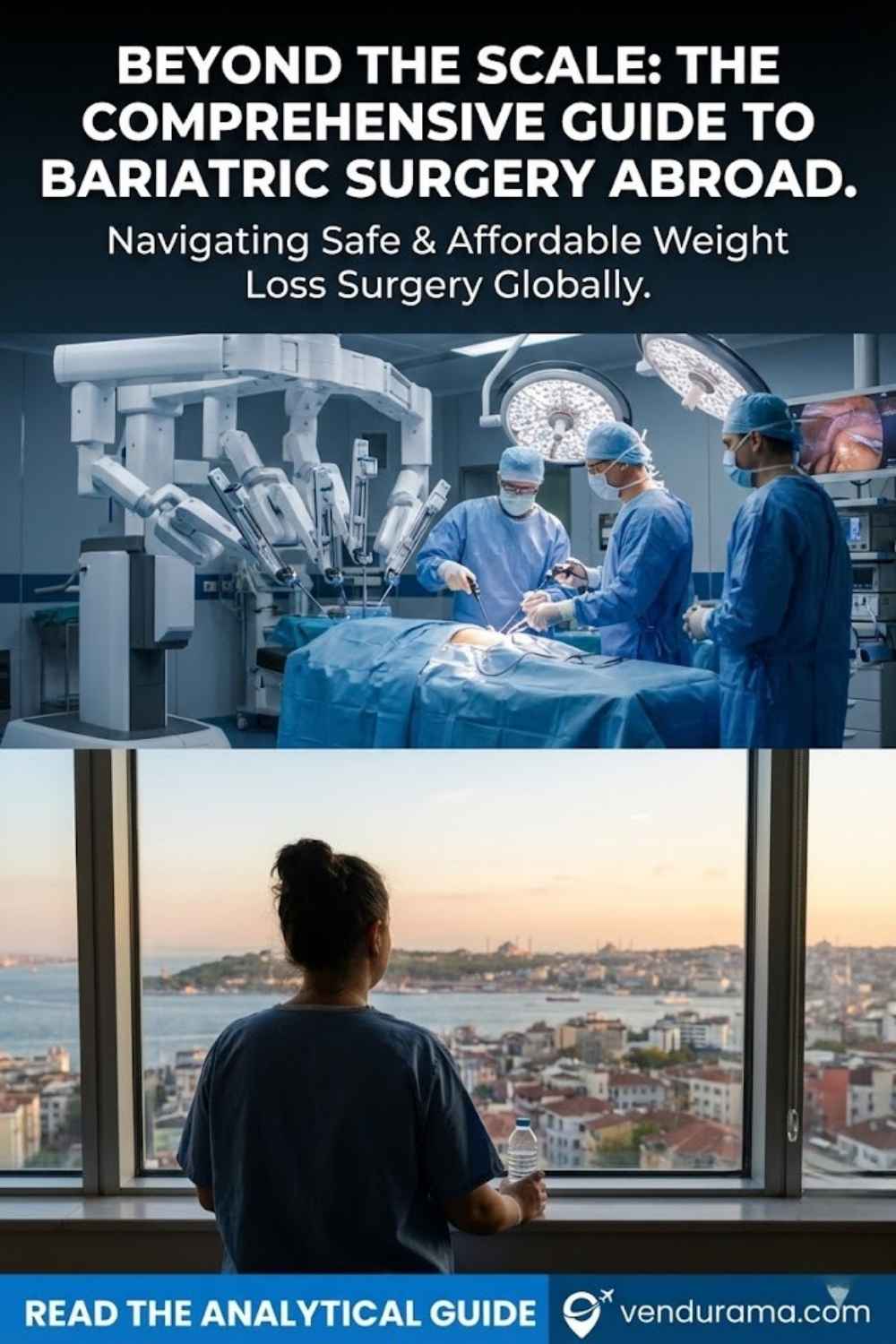
Introduction: The Global Metabolic Intervention
Obesity has evolved from a lifestyle concern into the paramount public health challenge of the 21st century. Recognized by the World Health Organization as a complex, chronic, and progressive disease, global obesity rates have nearly tripled since 1975. This pandemic drives a concurrent surge in comorbid conditions, including type 2 diabetes, cardiovascular disease, obstructive sleep apnea, and certain cancers, placing unsustainable burdens on national healthcare systems and significantly reducing individual life expectancy.
Against this backdrop, traditional interventions such as diet, exercise, and pharmacotherapy have demonstrated limited long-term efficacy for individuals with severe obesity (typically defined as a Body Mass Index over 40, or over 35 with comorbidities). The clinical consensus has shifted to recognize bariatric surgery—also known as metabolic surgery—as the most effective, durable treatment for significant, sustained weight loss and the remission of metabolic diseases.
However, a critical paradox exists: while the clinical need for bariatric surgery is immense, access is severely restricted in many developed nations due to prohibitive costs, restrictive insurance criteria, and multi-year waiting lists within public health systems. This “access gap” has catalyzed the rise of a sophisticated global medical mobility sector focused on metabolic intervention. Patients are increasingly crossing international borders to access high-quality, high-volume bariatric centers in countries such as Turkey, Mexico, and India, where the procedure is available at a fraction of the cost and with minimal waiting times.
This phenomenon is not merely “medical tourism” in the leisure sense; it is a strategic health decision driven by economic rationality and medical necessity. This analysis provides a definitive examination of the global bariatric surgery ecosystem, exploring the physiological mechanisms of the procedures, the geo-economics of the industry, the rigorous processes required for surgeon vetting, and the intricate logistics of managing major abdominal surgery in a foreign environment.
Defining Bariatric and Metabolic Surgery
To understand this medical sector, it is essential to establish precise definitions and distinguish these procedures from cosmetic interventions.
Bariatric Surgery refers to a collective group of gastrointestinal surgical procedures designed to induce substantial weight loss. It is fundamentally different from cosmetic procedures like liposuction or abdominoplasty (tummy tuck), which remove subcutaneous fat for aesthetic contouring but do not alter the body’s metabolic set point or impact visceral fat, which drives disease.
Bariatric surgery operates through two primary mechanisms, often in combination:
- Restriction: physically limiting the amount of food the stomach can hold, contributing to early satiety (fullness) with small portion sizes.
- Malabsorption: altering the digestive tract to bypass a portion of the small intestine, reducing the absorption of calories and nutrients.
Crucially, modern bariatric surgery is now understood as Metabolic Surgery. The procedures do not just mechanically restrict food intake; they profoundly alter the gut-brain hormonal axis. By reconfiguring the gastrointestinal tract, surgery changes the secretion of key hormones such as Ghrelin (the hunger hormone), GLP-1, and PYY, which regulate appetite, glucose metabolism, and insulin sensitivity. This explains why many patients see a remission of type 2 diabetes within days of surgery, long before significant weight loss occurs.
Historical Context: From Open Incisions to Robotic Precision
The evolution of bariatric surgery mirrors the broader history of surgical innovation. The field originated in the 1950s with procedures like the Jejunoileal Bypass, which, while effective for weight loss, caused severe nutritional deficiencies and liver failure, leading to their abandonment.
The modern era began in the 1960s and 70s with the development of the Gastric Bypass by Dr. Edward Mason and the introduction of stomach stapling. However, these early surgeries were performed via large “open” laparotomies, involving significant trauma, high risk of infection, long recovery times, and massive post-operative hernias, making them suitable only for the most desperate cases.
The seminal turning point occurred in the mid-1990s with the advent of laparoscopic (keyhole) surgery. The ability to perform complex gastric rearrangements through tiny incisions using cameras and long instruments revolutionized the risk profile. It drastically reduced complications, pain, and hospital stays, transforming bariatric surgery from a last-resort salvage procedure into a viable, proactive treatment option. This technological leap also made it possible to establish high-volume bariatric centers globally, laying the foundation for the current international patient market. Today, the field is moving toward even greater precision with robotic-assisted platforms, further standardizing outcomes.
The Core Procedures in Global Bariatric Centers
While various procedures exist, the global market is currently dominated by two primary interventions. Understanding the technical differences is vital for patient eligibility.
1. Laparoscopic Sleeve Gastrectomy (LSG or “The Sleeve”)
Currently the most frequently performed bariatric procedure worldwide due to its balance of efficacy and lower complication profile compared to bypass.
- Mechanism: It is a purely restrictive procedure. The surgeon removes approximately 75-80% of the stomach along the greater curvature, using surgical staplers. The remaining stomach is shaped like a narrow tube or “sleeve” (roughly the size of a banana).
- Metabolic Impact: Crucially, the removed portion of the stomach, the fundus, is the primary site of Ghrelin production. By removing it, the patient experiences a profound and immediate reduction in hunger drive.
- Advantages: It preserves the pyloric valve (which regulates stomach emptying) and does not involve rerouting the intestine, reducing the risk of malabsorption, vitamin deficiencies, and “dumping syndrome.”
- Ideal Profile: Patients with a BMI of 35–50, those with less severe metabolic disease, or those who need to take medications that require normal absorption.
2. Roux-en-Y Gastric Bypass (RYGB)
Considered the “gold standard” for decades, particularly for patients with significant metabolic comorbidities.
- Mechanism: It combines restriction and malabsorption. First, a small gastric pouch (about the size of an egg) is created at the top of the stomach, restricting food intake. Second, the small intestine is divided, and the lower portion (the Roux limb) is brought up and connected to the new pouch. Food bypasses roughly 90% of the stomach and the first section of the small intestine (duodenum).
- Metabolic Impact: The bypass creates profound hormonal shifts that are highly effective at resolving type 2 diabetes and severe acid reflux (GERD).
- Advantages: Greater long-term weight loss potential for super-obese patients (BMI >50) and superior diabetes remission rates.
- Disadvantages: Higher technical complexity, higher risk of long-term nutritional deficiencies requiring lifelong rigorous supplementation, and a risk of bowel obstructions or ulcers.
3. Revision Bariatric Surgery
A growing segment of the international market involves patients seeking correction or conversion of previous surgeries (e.g., converting an old Lap-Band to a Sleeve or Bypass) due to inadequate weight loss, weight regain, or complications. These are technically demanding cases requiring highly experienced surgeons often found in high-volume global centers.
Global Hubs of Metabolic Surgery
The geography of bariatric surgery has concentrated in specific nations that have developed specialized ecosystems combining surgical expertise, technological infrastructure, and cost competitiveness.
- Turkey (Istanbul, Izmir): Turkey has emerged as perhaps the leading global destination for bariatric surgery, particularly for patients from Europe and the Middle East. The government has heavily invested in building massive, JCI-accredited “hospital cities” equipped with the latest laparoscopic and robotic technology. Turkish surgeons in these hubs often possess extremely high case volumes, sometimes performing hundreds of sleeve gastrectomies annually, leading to high technical proficiency.
- Mexico (Tijuana, Cancun): Due to its proximity, Mexico is the primary destination for North American patients. Tijuana has developed a dense cluster of bariatric centers catering almost exclusively to cross-border patients. While centers of excellence exist, the market is highly variable, requiring intense due diligence from patients to distinguish accredited hospitals from sub-standard clinics.
- India: India positions itself for high-complexity cases, including super-obesity and complex revisions. Leading private hospital chains offer world-class expertise at costs even lower than Turkey or Mexico, though the distance is a barrier for Western patients.
The Vetting Process: Evaluating Surgeons and Facilities
Given the irreversibility and risks of abdominal surgery, selecting a provider abroad requires rigorous, evidence-based vetting beyond reliance on social media testimonials or marketing brokers.
1. Institutional Accreditation
The baseline requirement should be international accreditation. The gold standard is Joint Commission International (JCI), which audits hospitals on hundreds of parameters regarding patient safety, infection control, and surgical protocols. Other relevant accreditations include ISO standards or national bodies that mirror international standards.
2. Surgeon Credentials and Volume
In bariatric surgery, outcomes are highly correlated with surgeon volume.
- Experience: A qualified bariatric surgeon should have completed a dedicated fellowship in minimally invasive bariatric/foregut surgery, not just general surgery. Look for membership in professional bodies like IFSO (International Federation for the Surgery of Obesity and Metabolic Disorders) or the American Society for Metabolic and Bariatric Surgery (ASMBS).
- Volume: The “learning curve” for a sleeve gastrectomy is considered to be roughly 50-100 cases. However, mastery—defined by consistently low complication rates—is often associated with surgeons performing over 150-200 primary cases annually. International hubs often feature surgeons exceeding 500 cases per year.
3. The Multidisciplinary Team (MDT)
Bariatric surgery is not a one-person show. A legitimate program must have an integrated team comprising:
- Bariatric Dietitians (for pre-op shrinking diet and post-op phases).
- Psychologists (to assess readiness and eating disorders).
- Cardiologists and Pulmonologists (for pre-op medical clearance). Facilities that offer only the surgeon without the supporting infrastructure should be avoided.
Patient Eligibility and Pre-Operative Protocols
A responsible international clinic does not accept every patient willing to pay. A rigorous remote screening process is the first line of defense against complications.
The Digital Triage
The process begins with the submission of a detailed medical history form, including BMI calculation, history of weight loss attempts, and a list of comorbidities (diabetes, hypertension, sleep apnea status) and current medications. This is reviewed by the surgical team to determine preliminary candidacy for either a sleeve or bypass.
The Pre-Op “Liver Shrinking” Diet
Once booked, patients must adhere to a strict protocol before traveling. Almost all bariatric patients have an enlarged, fatty liver (steatosis) which sits directly over the stomach. To make the surgery technically feasible and safe, patients are placed on a very low-calorie, low-carbohydrate (often liquid) diet for 2 to 4 weeks prior to surgery. This depletes glycogen stores and shrinks the liver, improving surgical visibility and reducing intra-operative bleeding. Non-compliance with this diet can lead to surgery cancellation upon arrival.
The Logistical Journey: Managing a Medical Deployment
Traveling for major surgery involves a higher order of logistical planning than leisure travel. The itinerary must be built around clinical milestones, not sightseeing.
Strategic Flight Planning
The timing of arrival is critical. Patients typically need to arrive 1-2 days before the scheduled surgery to allow for comprehensive pre-operative testing (blood work, EKG, chest X-ray, abdominal ultrasound, and sometimes endoscopy) and final consultations. Booking flights requires precision to ensure ample time for these mandatory clearances without incurring excessive hotel costs before admission. Experienced medical travelers often utilize comprehensive flight search platforms to analyze routes and secure arrivals that align perfectly with the clinic’s intake protocols, ensuring the pre-surgical timeline is not compressed by travel delays.
Arrival and Secure Transfer

Upon landing in a foreign hub for surgery, the patient is in a vulnerable state—often facing high anxiety, navigating a new culture, and potentially dealing with physical limitations related to obesity. The transit from the airport to the hospital or pre-op hotel is a critical juncture where stress and physical exertion should be minimized. High-quality bariatric programs include dedicated ground handling in their packages. Rather than navigating public transit or hailing random taxis, patients are advised to ensure their arrangements include professional private transfer services. This guarantees a sanitized, pre-vetted vehicle suitable for the patient’s physical needs, providing a direct and secure link to the medical facility.
The Hospital Stay and Immediate Recovery
The surgery itself typically takes 60 to 120 minutes under general anesthesia.
- Day 0 (Surgery Day): Patients are encouraged to walk within hours of waking up to prevent Deep Vein Thrombosis (DVT) and mobilize gas used during laparoscopy. Pain is managed via IV.
- Day 1: A critical “Leak Test” is usually performed. The patient drinks a contrast dye while under fluoroscopy (live X-ray) to ensure the staple line on the sleeve or the connections in the bypass are watertight. Once cleared, the patient begins clear liquids.
- Day 2-3: Most patients are discharged to a nearby hotel once they can tolerate liquids, handle their own pain medication, and are mobile.
The Financial Architecture: Understanding the Cost Arbitrage
The driving force for bariatric tourism is the immense cost differential, often achieving 60-80% savings compared to US prices.
- US/Canada Cost: A Self-pay Sleeve Gastrectomy can range from $15,000 to $25,000+.
- Turkey/Mexico Cost: High-quality all-inclusive packages typically range from $3,500 to $6,500.
Deconstructing the Package
A legitimate “all-inclusive” bariatric package should be transparent and typically covers:
- Surgeon and anesthesiologist fees.
- Hospital stay (2-3 nights) and nursing care.
- All pre-operative tests and scans in the host country.
- Post-operative medication pack (painkillers, blood thinners, stomach protectors).
- Hotel accommodation for the required post-discharge stay (3-5 days).
- VIP airport transfers and ground transport to all medical appointments.
- Initial supply of bariatric vitamins and protein supplements.
Patients must verify what is excluded, such as airfare, travel insurance (which must specifically cover medical tourism complications), and costs associated with unpredicted complications requiring extended ICU stays.
Risk Management and Complications
Bariatric surgery is major abdominal surgery carries inherent risks. The mortality rate is low (under 0.3% in accredited centers), similar to gallbladder surgery, but complications can be severe.
Early Complications (The First 30 Days)
- Staple Line Leak: The most feared complication, where stomach contents leak into the abdominal cavity, causing severe infection (peritonitis). This requires immediate re-operation and prolonged hospitalization. The risk is typically 1-2% for sleeves.
- Deep Vein Thrombosis (DVT) and Pulmonary Embolism (PE): Obese patients are at high risk for blood clots. International clinics manage this aggressively with compression stockings, early mobilization, and mandatory blood-thinning injections (like Clexane) for 10-14 days post-op.
- Bleeding: From staple lines or incisions, sometimes requiring transfusions.
The “Fit to Fly” Protocol
Patients are generally not cleared to fly home until 5 to 7 days post-surgery. This window ensures that the highest-risk period for leaks has passed and the patient is physically stable enough to endure cabin pressure changes and the risk of sitting for prolonged periods.
Post-Operative Care and the “Orphan Patient” Challenge
The surgery is only the beginning of the bariatric journey. Success is dictated by adherence to lifelong lifestyle changes.
The Dietary Phases
Patients must progress through strict dietary stages to allow the stomach to heal:
- Clear Liquids (Week 1): Water, broth, sugar-free gelatin.
- Full Liquids (Week 2): Protein shakes, thin soups, Greek yogurt.
- Purees/Soft Foods (Weeks 3-4): Scrambled eggs, soft fish, cottage cheese.
- Regular Bariatric Diet (Week 5+): Small, protein-focused meals, avoiding fibrous vegetables and simple sugars.
Nutritional Supplementation
Because the surgery (especially bypass) affects nutrient absorption and intake volume, patients must take bariatric-specific multivitamins, calcium citrate, vitamin D, iron, and B12 for life. Failure to do so leads to severe deficiencies like anemia, osteoporosis, and neurological issues.
The Follow-Up Gap
A major criticism of medical tourism is the fragmentation of care. International clinics often provide lifetime virtual follow-up via WhatsApp or video calls with dietitians. However, they cannot provide physical exams or order local blood tests. Patients often return home to primary care physicians who are unfamiliar with bariatric guidelines or hesitant to manage complications from surgery performed abroad. This creates the “orphan patient” phenomenon. Prospective medical tourists must secure a commitment from a local doctor to manage their post-operative blood work and long-term care before traveling.
Ethical Considerations and Future Trends
The industry faces ethical questions regarding the selection of patients and the marketing of surgical procedures on social media, which sometimes trivializes the risks. Ethically sound programs prioritize patient education over aggressive sales tactics.
Looking ahead, the field is evolving rapidly. The rise of potent GLP-1 agonist drugs (like Ozempic and Mounjaro) is changing the landscape, offering a non-surgical alternative for some, while acting as an adjunct therapy for surgical patients to maximize weight loss. Furthermore, the rise of endoscopic bariatric therapies (like the Endoscopic Sleeve Gastroplasty – ESG), performed through the mouth without incisions, offers a new frontier for lower-BMI patients, potentially expanding the medical tourism market further into less invasive interventions.
Conclusion: A Strategic Health Investment
Bariatric surgery abroad represents a significant, life-altering decision that bridges the gap between medical necessity and economic reality for millions suffering from obesity and metabolic disease. It is not a cosmetic shortcut or a medical vacation, but a serious clinical intervention requiring immense preparation, due diligence, and lifelong commitment.
When approached with a rigorous analytical mindset—vetting institutions over influencers, understanding the physiological mechanisms, and meticulously planning the logistical and financial architecture—it can be a highly successful pathway to reclaiming health. The global bariatric network has matured into a sophisticated system of care, offering world-class expertise to those willing to navigate its complexities. The success of the endeavor ultimately lies not just in the skill of the surgeon abroad, but in the informed commitment of the patient returning home.