
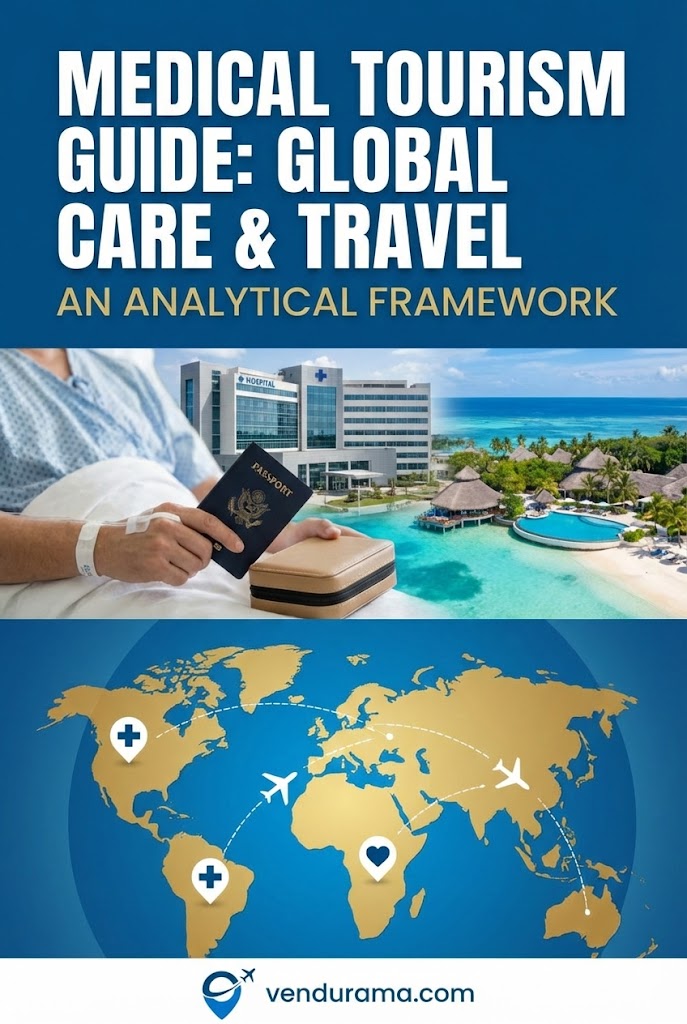
Introduction: The Ascendance of Cross-Border Healthcare
The relentless globalization of the 21st century has precipitated a fundamental shift in how individuals access and conceptualize healthcare, giving rise to medical tourism as a defining feature of the modern global health economy. This practice, where patients intentionally cross international borders to receive medical treatment, has evolved from a niche option for the elite into a mainstream, multi-billion-dollar system affecting healthcare delivery, patient mobility, and economic policy worldwide. The migration of patients is no longer solely from developing to developed nations for advanced technology; it is a complex, multi-directional flow primarily driven by profound cost differentials, waiting times, and the pursuit of specialized care. This system represents more than the sum of individual medical journeys; it is an intricate intersection of trade in services, health policy, and patient agency, with significant implications for health equity, domestic healthcare systems, and international relations. As market projections estimate the sector’s value will grow from tens of billions to potentially over $250 billion within a decade, understanding its architecture, drivers, and consequences is not just an academic exercise but a necessity for policymakers, healthcare providers, and patients navigating this new reality.
Defining the Practice: Medical Tourism in Context
Medical tourism is defined as the practice of traveling outside one’s country of residence for the primary purpose of obtaining medical treatment. It is crucial to distinguish this intentional, planned healthcare-seeking mobility from other forms of cross-border medical engagement.
- Wellness Tourism: While medical tourism is focused on the diagnosis, treatment, and cure of a specific disease or condition, wellness tourism centers on the maintenance or enhancement of personal health and well-being, often through preventive, lifestyle, or holistic services. The two may overlap in destinations but differ fundamentally in intent and clinical necessity.
- Emergency Care Abroad: This involves unplanned medical attention required by travelers, migrants, or temporary workers who fall ill or are injured while already overseas. It is reactive, not proactive like medical tourism.
- Domestic Healthcare: This is care received within a patient’s home country under its regulatory, insurance, and legal frameworks. Medical tourism involves voluntarily exiting that system to engage with a foreign one, accepting different standards, costs, and potential risks.
A nuanced understanding recognizes sub-categories like circumvention tourism, where patients travel to access procedures illegal or heavily restricted at home (e.g., certain fertility treatments, assisted suicide), and dental tourism, one of the most common forms due to high out-of-pocket costs in many developed nations.
A Historical Overview: From Temples to International Hospitals
The impulse to travel for healing is ancient. The earliest recorded instances date back thousands of years to Greek pilgrims journeying to the sanctuary of Asclepius at Epidauria, seeking divine intervention and therapeutic rituals. In the 18th century, European aristocracy popularized the “spa tour,” visiting towns with purportedly curative mineral waters to treat ailments from gout to liver disorders. The modern incarnation of medical tourism began post-World War II, initially characterized by patients from less-developed nations traveling to major medical centers in the United States or Western Europe for technology unavailable at home.
The late 20th and early 21st centuries saw a dramatic inversion of this flow. Driven by globalization, cheaper international travel, and rising healthcare costs in developed nations, a new model emerged: patients from countries like the U.S., Canada, and the UK began traveling to destinations in Asia, Latin America, and Eastern Europe for high-quality care at a fraction of the cost. This shift was facilitated by targeted investments in healthcare infrastructure by destination countries, the rise of international hospital accreditation, and sophisticated marketing, transforming medical tourism into a formalized global industry.
Types of Medical Tourism: A Procedural Spectrum
The medical tourism landscape encompasses a wide array of treatments, broadly categorized by patient motivation and clinical field.
- Surgical Tourism: This includes elective and necessary surgeries where cost savings are substantial. Common areas are orthopedics (knee/hip replacements), cardiology (angioplasty, bypass), and spinal procedures. A quintessential example is a patient from Canada, facing a 26-week wait for a hip replacement domestically, traveling to Malaysia for prompt surgery.
- Cosmetic and Aesthetic Tourism: Often not covered by insurance, cosmetic procedures like liposuction, breast augmentation, and facelifts are major drivers. Thailand, South Korea, and Brazil have built global reputations in this sector, combining surgical excellence with vacation-style recovery packages.
- Dental Tourism: Routine and complex dental work (implants, veneers, full-mouth reconstructions) represents one of the largest segments due to high out-of-pocket expenses in many home countries. Destinations like Mexico, Hungary, and Thailand offer savings of 50-70%.
- Fertility and Reproductive Tourism: Patients seek in-vitro fertilization (IVF), donor services, surrogacy, or other assisted reproductive technologies due to lower costs, shorter wait times, or more permissive legal frameworks than in their home countries.
- Rehabilitation Tourism: This includes travel for substance use disorder treatment or long-term recovery in a dedicated, private setting, often sought for privacy or a wider range of therapeutic approaches.
- Oncology and Complex Care Tourism: A smaller but significant segment involves patients seeking cutting-edge cancer therapies, experimental trials, or specialized surgical oncology not available locally. This requires extremely careful coordination between home and destination providers.
Global Destinations and Centers of Excellence
The geography of medical tourism is dynamic and competitive, with regions leveraging distinct advantages.
- Asia-Pacific: The dominant global force. Thailand leads with world-class private hospitals in Bangkok offering a full spectrum of care, from cosmetic to cardiac surgery, and is a global hub for fertility treatments. India is renowned for complex procedures like cardiac and orthopedic surgeries at costs 65-90% lower than in the U.S., attracting patients from across Africa, the Middle East, and beyond. Malaysia and Singapore compete on a blend of high quality, advanced technology, and English-language proficiency.
- Latin America: Proximity to the United States is a key advantage. Mexico is a primary destination for American medical tourists, especially for dental, cosmetic, and bariatric surgery. Costa Rica and Brazil are also established players, with Brazil particularly noted for cosmetic and plastic surgery expertise.
- Europe: A diverse market. Turkey has invested heavily in JCI-accredited facilities, attracting patients for hair transplants, ophthalmology, and cosmetic surgery. Hungary is a longstanding center for dental tourism. Western European countries like Germany and Switzerland attract patients seeking high-end, technologically advanced care, though at a premium cost.
- Emerging Hubs: Countries like the United Arab Emirates, South Korea, and Taiwan are aggressively entering the market, building state-of-the-art medical cities and promoting specific specialties.
Accreditation, Quality, and Physician Credentials
In an industry where patients cannot rely on familiar domestic regulations, international healthcare accreditation has become the paramount benchmark for quality and safety. These accreditations are voluntary audits where independent organizations certify that a foreign hospital meets international standards of care.
- Joint Commission International (JCI): The most recognized U.S.-based accreditor, its seal is prominently sought by hospitals aiming to attract American and international patients.
- Accreditation Canada International: Another major global accreditor with a strong reputation for rigorous standards.
- Other Schemes: The U.K.-based QHA Trent and ISO certifications are also used. Some hospitals pursue dual accreditation to appeal to broader markets.
Crucially, accreditation applies to the facility, not individual physician credentials. Patients must conduct separate verification of a surgeon’s training, board certification (and by which body), fellowship history, and procedural experience. Reputable hospitals catering to medical tourists will transparently provide this information.
Patient Decision-Making: The Calculus of Care
The choice to become a medical tourist is rarely simple, involving a complex calculus of several interdependent factors:
- Cost: The most potent driver. The price disparities can be staggering: an angioplasty costing $55,000 in the U.S. may be $3,000 in Malaysia; a liver transplant quoted at $300,000 domestically can be $91,000 in Taiwan. These savings must be weighed against travel and accommodation expenses.
- Quality and Safety: Patients seek to minimize risk by selecting accredited hospitals and highly credentialed doctors. Perceived quality, often gleaned from patient testimonials and international rankings, is paramount.
- Access and Wait Times: In systems with rationed care, such as the UK’s NHS or Canada’s public system, wait times for non-emergency procedures can be months or years. Medical tourism offers a prompt alternative, clearing what is often the primary “push” factor.
- Legality and Availability: For procedures like certain fertility treatments, stem cell therapies, or assisted suicide, patients may travel to jurisdictions where they are legally permitted.
- Cultural and Linguistic Compatibility: Some patients seek care in countries with shared language or cultural understanding, which can facilitate communication and comfort.
Pre-Operative Planning and Medical Coordination
Successful medical tourism hinges on meticulous pre-operative coordination, a process that should begin months in advance.
- Medical Records Review: The destination hospital’s medical team must conduct a thorough, remote review of the patient’s complete medical history, imaging, and test results to determine candidacy for the procedure.
- Treatment Plan and Quote: A detailed, line-item treatment plan and all-inclusive cost quote should be provided, specifying the surgeon, hospital fees, anesthesia, implants, and estimated stay.
- Communication with Home Physician: Ideally, the patient’s primary care physician at home is involved in the decision, can provide necessary records, and agrees to provide follow-up care. This continuity is critical for managing post-operative recovery and any complications.
- Pre-Travel Medical Consultation: A travel medicine specialist or the patient’s doctor should conduct a consultation 4-6 weeks before departure. This ensures the patient is medically fit for both the procedure and travel, receives necessary vaccinations (like Hepatitis B), and has a sufficient supply of regular medications.
Travel Logistics and Patient Mobilization
Once medically cleared, the focus shifts to travel logistics. This involves securing visas (many destinations offer fast-track medical visas) and utilizing specialized travel management platforms to arrange flights with appropriate timing for pre-operative appointments. Patients must consider mobility restrictions post-surgery; for example, a patient undergoing knee surgery will need aisle seats, possible wheelchair assistance, and ground transportation that can accommodate limited mobility. The logistical planning often extends to coordinating the travel of a companion or family member for support.
Timing is a critical logistical factor, as patients must align their international flights with strict pre-surgical assessment schedules and mandatory hospital admission dates. This requires precise planning to ensure arrival with adequate time for jet lag recovery before medical consultations commence.
Legal Frameworks, Liability, and Patient Rights
The legal landscape of medical tourism is a complex patchwork, presenting one of the field’s most significant risks. Patients are subject to the medical malpractice laws and legal recourse systems of the destination country, which often differ drastically from their home country.
- Liability Limitations: Many popular destinations have statutory limits on malpractice awards that are far lower than in the U.S. The legal process may be lengthy, conducted in a foreign language, and require the patient to remain in the country—a significant barrier to seeking redress.
- Informed Consent: Ensuring truly informed consent across language and cultural barriers is challenging. Patients should receive consent forms in their own language and have access to an independent interpreter, not one provided by the hospital.
- Contractual Agreements: The treatment agreement with the hospital or facilitator governs the relationship. It is essential to understand what it covers (only the procedure itself, or also complications?), the dispute resolution mechanism (arbitration, local courts), and which country’s laws apply.
Clinical Risks and Safety Management
All surgery carries risk, but medical tourism introduces additional, unique hazards that must be proactively managed.
- Infection Control: Variations in infection control protocols can lead to surgical site infections, bloodstream infections, or exposure to drug-resistant bacteria (e.g., CRE, Candida auris), which have caused outbreaks among medical tourists.
- Blood Supply Safety: In some destinations, the screening of blood products for pathogens like HIV or Hepatitis may not meet the standards of developed countries.
- Antimicrobial Resistance: The overuse or misuse of antibiotics in some regions has led to a higher prevalence of multi-drug resistant organisms, posing a grave risk for post-operative infections.
- Travel-Related Risks: Flying soon after surgery dramatically increases the risk of deep vein thrombosis (DVT) and pulmonary embolism. Guidelines recommend waiting 10-14 days after major abdominal or chest surgery before flying, and 7-10 days after facial cosmetic procedures. Changes in cabin pressure can also affect healing wounds or gas-filled cavities.
- Medication and Device Quality: The regulatory oversight of pharmaceuticals and medical devices (e.g., breast implants, joint prosthetics) varies. Patients risk receiving counterfeit, substandard, or expired drugs, or devices not approved in their home country.
Financial Planning, Insurance, and Protection
Medical tourism is largely an out-of-pocket expense, though this is changing slowly.
- Traditional Health Insurance: Most domestic insurance plans explicitly exclude elective treatments abroad. Some are beginning to experiment with “centers of excellence” networks overseas for specific high-cost procedures, offering to cover the foreign cost if the patient chooses that partner hospital.
- Medical Travel Insurance/Specific Complications Coverage: These are critical, distinct products. They do not pay for the planned surgery but cover the costs of treating complications arising from it, including emergency evacuation back to the home country. This is a non-negotiable safeguard.
- Financing: Some hospitals and medical tourism facilitators offer financing plans. Patients should scrutinize the terms, interest rates, and the lender’s jurisdiction.
Ethical Challenges and Health Equity
The growth of medical tourism raises profound ethical questions that touch on global justice and health system integrity.
- Equity and Access within Destination Countries: The focus on lucrative private hospitals for foreigners can divert skilled professionals, advanced technology, and government attention away from underfunded public health systems that serve the local poor, potentially exacerbating domestic health inequities.
- Organ Trafficking and Transplant Tourism: The “transplant tourism” subset is rife with ethical horrors, including the exploitation of living donors from vulnerable populations and the trafficking of organs. Reputable destinations have strict legal frameworks to prevent this, but the black market persists.
- “Brain Drain” within the Global Health Workforce: While medical tourism creates high-paying jobs for local healthcare workers, it can also draw talent away from the public sector and from poorer neighboring countries, weakening their health systems.
- Patient Accountability and Follow-Up: When complications arise after a patient returns home, the domestic healthcare system bears the cost and burden of treatment, creating an ethical and financial strain.
The Digital Future: Telemedicine and Mobility Solutions
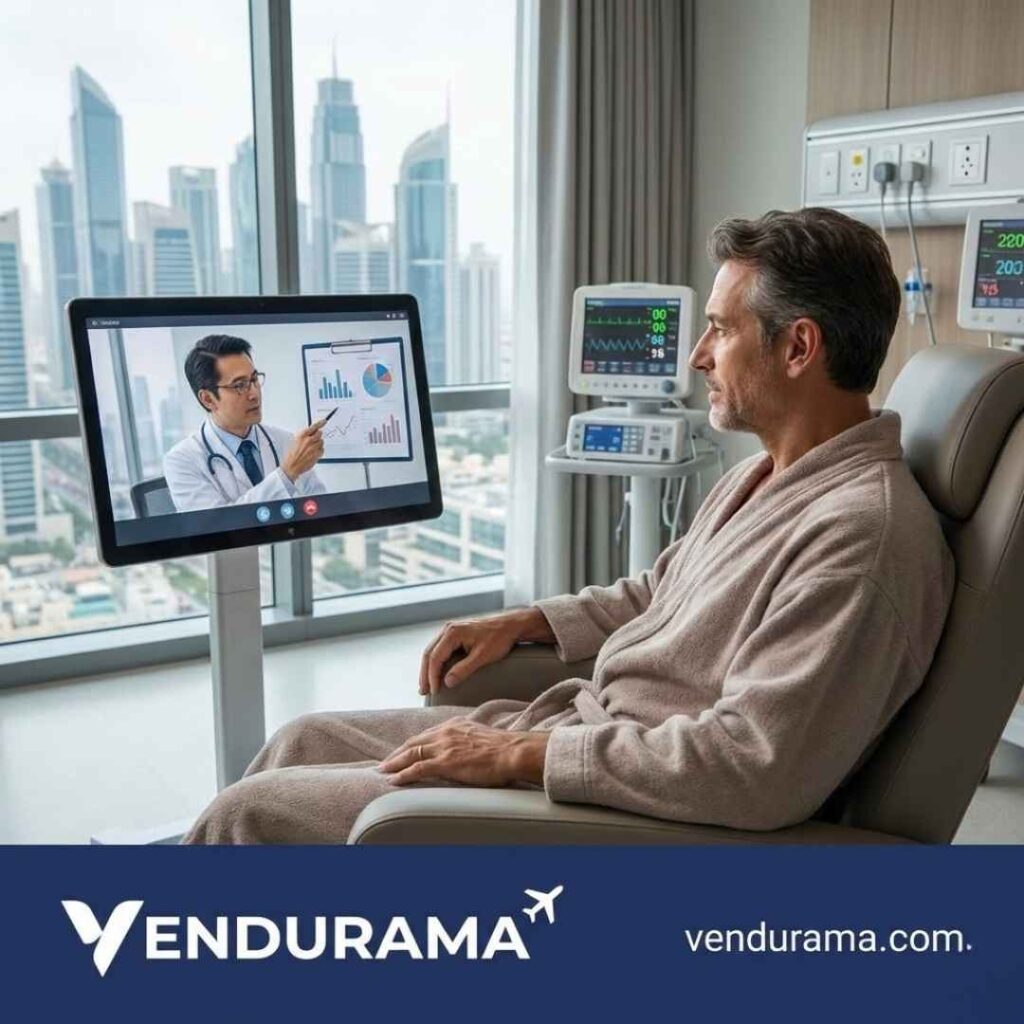
Technology is poised to reshape medical tourism, making it more integrated and potentially safer.
- Telemedicine for Pre- and Post-Operative Care: Virtual consultations are becoming standard for initial evaluations and follow-ups, enhancing continuity of care. They allow the surgical team to monitor recovery remotely and the home physician to stay informed.
- Digital Health Platforms and Mobility Solutions: The market for healthcare mobility solutions—encompassing mobile devices, apps, and enterprise software for managing patient data—is growing rapidly. These technologies enable seamless sharing of electronic health records (EHRs) across borders, remote patient monitoring, and streamlined communication between all parties. Governments in destination countries are launching online portals to facilitate medical travel bookings and information access.
- Artificial Intelligence (AI): AI is being leveraged for everything from initial patient triage and matching with appropriate providers to automating insurance claims processing and analyzing surgical outcomes to improve quality.
The post-operative phase requires careful logistical support, including arranging dedicated medical transfer services from the hospital to recovery accommodation, as patients are often in a vulnerable state and unable to navigate public transit or standard taxis with luggage.
Conclusion: Navigating a New Global Health Paradigm
Medical tourism is an undeniable and expanding component of the global health landscape, a direct manifestation of healthcare’s transformation into a traded service. It offers tangible benefits: expanded choice for patients, significant cost savings, relief for overburdened public systems, and economic development for host countries. However, it is not a panacea and introduces a parallel system fraught with clinical, legal, and ethical complexities. Its sustainable future hinges on enhanced international cooperation to standardize quality metrics, improve data collection on outcomes, and strengthen patient protections across borders. For the individual patient, success demands a paradigm shift from being a passive recipient of care to becoming an empowered, thoroughly informed healthcare consumer who must navigate a labyrinth of medical, logistical, and legal considerations in an unfamiliar environment. As digital health integration deepens and global imbalances in cost and access persist, medical tourism will continue to evolve, compelling all stakeholders—patients, providers, insurers, and governments—to adapt to this new reality of borderless, consumer-driven healthcare.