

Introduction: The Evolution of Human Movement and the Pursuit of Liminality
The narrative of human civilization is fundamentally a narrative of movement, yet the motivation behind this movement has undergone a radical transformation over the centuries. Historically, human displacement was driven by the exigencies of survival, migration, trade, or conquest. However, the concept of traveling specifically for pleasure, restoration, and curiosity is a modern phenomenon.
Sociologists identify the roots of this shift in the aristocratic traditions of the 17th and 18th centuries, specifically the Grand Tours, which served as educational rites of passage for the European elite. Today, this once-exclusive domain has democratized into a global socio-economic force, representing a trillion-dollar industry that serves as a fundamental component of modern lifestyle architecture.
In the contemporary landscape, leisure travel functions as a vital counterbalance to the rigors of an accelerated, urbanized, and digitized existence. It provides a mechanism for mental recalibration, allowing individuals to enter a state of “liminality”—a transitional psychological threshold where the traveler is temporarily liberated from the obligations and identities of their daily life.
Part I: Defining the Leisure Paradigm
The Autotelic Nature of Travel
To understand the sociology of tourism, one must distinguish leisure travel from other forms of mobility. Unlike business travel, driven by economic necessity, or essential travel precipitated by family emergencies, leisure travel is defined by its autotelic nature—it is an activity performed for its own sake. It is a manifestation of the sovereignty of time, where the individual reclaims agency over their schedule to consume experiences rather than material goods.
The Blurring of Boundaries
While the core definition relies on the separation of work and play, modern trends suggest a porous boundary. The emergence of “bleisure”—the blending of business and leisure—and the rise of digital nomadism indicate a shift in how professional and personal lives are integrated. Despite this integration, the fundamental psychological drive remains the pursuit of connection, knowledge, and rest.
Part II: Typologies of Recreational Travel
The monolithic concept of “tourism” fractures into distinct sub-disciplines, each addressing specific psychological needs and demographic preferences.
Resort and Coastal Tourism: The Blue Mind
The “sun-and-sea” model remains the most enduring typology of leisure travel. Psychologically, this preference is supported by the “blue mind” theory, which posits that proximity to water induces a meditative, restorative state. This sector ranges from the hyper-developed coastlines of the Gold Coast to the secluded atolls of the Maldives. Within this sphere, the all-inclusive model minimizes friction by front-loading economic transactions, allowing guests to suspend financial anxiety, while boutique resorts focus on porous boundaries between the guest and the host environment.
Cultural and Heritage Tourism: The Authenticity Paradox
Cultural tourism is driven by an educational imperative and the desire to encounter the “other,” whether through visiting the pyramids of Giza or the museums of Paris. A central tension in this field is the concept of “staged authenticity.” Sociologist Dean MacCannell argues that travelers seek “backstage” regions—experiences that feel untouched by commercialism—which has led to the rise of community-based tourism where revenue is theoretically retained within the local economy.
Nature and Eco-Tourism: Stewardship and Connection
As global urbanization intensifies, the allure of the wilderness expands. Nature-based travel encompasses passive observation, such as scenic rail journeys, and active engagement, like trekking in Patagonia. This sector has evolved into “eco-tourism,” a normative shift where the experience is inextricably linked to environmental stewardship and strict carrying capacities to protect fragile ecosystems.
Wellness and Spiritual Tourism
Distinct from medical tourism, which is curative, wellness tourism is preventative and holistic. It focuses on the optimization of the self through practices like Ayurveda in Kerala or thermal spa visits in Iceland, seeking to align the body and mind.
Urban and Metropolitan Leisure
City tourism is defined by the density of experiences, offering a concentration of culinary and artistic stimuli. While often characterized by fast-paced “sightseeing,” the “slow city” movement encourages travelers to adopt the tempo of residents, lingering in neighborhoods rather than rushing between landmarks.
Part III: The Psychology of the Leisure Experience
The drive to travel is deeply rooted in human psychology, offering benefits that extend beyond simple relaxation.
- Neuroplasticity and Novelty: Exposure to new environments—navigating foreign maps or hearing new languages—stimulates the brain to form new neural pathways, acting as an antidote to the stagnation of routine.
- Anonymity and Identity: Travel offers a suspension of social expectations. The anonymity of a foreign place allows for identity experimentation, where a reserved individual might become spontaneous, free from their social standing or past.
- The Peak Experience: Drawing on Abraham Maslow’s psychology, travel often induces “peak experiences”—moments of awe and highest happiness. Witnessing phenomena like the Northern Lights creates a sense of connection to a greater whole, reducing self-focus and lowering stress.
Part IV: Strategic Planning and Itinerary Development
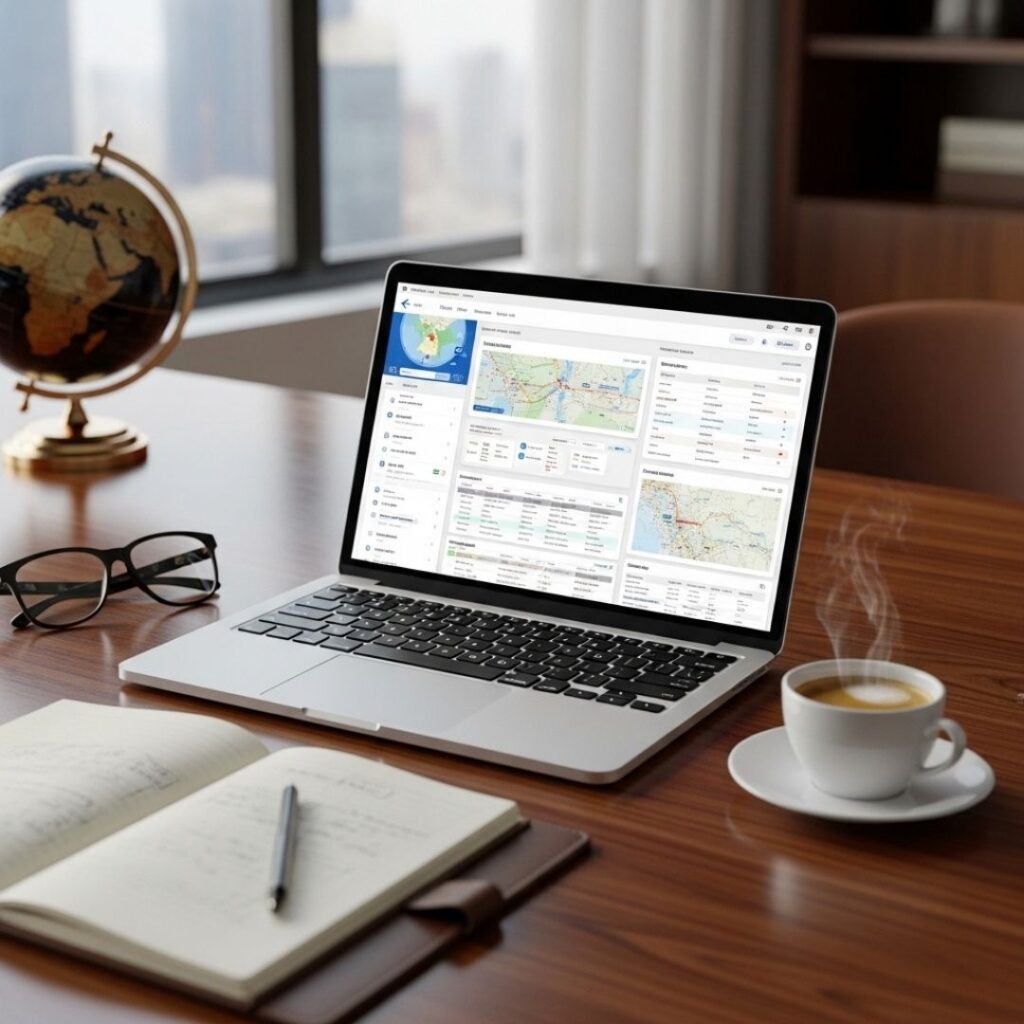
The success of a leisure trip is inextricably linked to the logistical frameworks established before departure.
Information Aggregation in the Digital Age
In the pre-digital era, information was monopolized by travel agents. Today, the challenge has shifted from finding information to filtering a deluge of data. Successful planning requires balancing structure with flexibility. To construct a viable itinerary, travelers increasingly rely on centralized travel aggregation platforms, which allow individuals to synthesize vast amounts of pricing and scheduling data into a coherent travel plan, ensuring that logistical elements align with their budgetary and temporal constraints.
The Art of Pacing
A frequent error in travel planning is “over-scheduling,” or the attempt to maximize value by filling every moment, which leads to burnout. Experienced travelers employ “temporal spacing,” leaving unallocated time for serendipity and rest, which is crucial for physiological adjustment to new time zones.
Part V: Transportation and Mobility Systems
Movement is the medium of travel, and the choice of transport dictates the traveler’s perspective.
Aviation and the Non-Place
Commercial aviation acts as the global connector, collapsing time and distance to make the world accessible. However, the flight itself is often experienced as a “non-place”—a transient space of waiting that requires strategies for stress mitigation.
The Last-Mile Challenge
While aviation connects cities, the “last mile”—the transit from the airport to the final accommodation—often presents the highest friction. Navigating foreign public transit with luggage or negotiating with local drivers can create significant anxiety. To streamline this transition, many seasoned travelers secure reliable private transfer services in advance, offering a regulated alternative to on-the-spot negotiation and providing a seamless connectivity layer that bridges the gap between mass transit infrastructure and private residence.
Part VI: Accommodation and Global Destinations
The Hospitality Landscape
The hospitality industry has segmented to cater to diverse psychological needs. Standardized global chains offer predictability and hygiene assurance, while the sharing economy appeals to those seeking a residential feel and independence. Experiential lodging, such as ice hotels or yurts, treats accommodation as the primary attraction and narrative experience.
Regional Overviews
- Europe: The world’s most visited region, Europe offers high cultural variance. Challenges include managing “overtourism” in hubs like Venice.
- Asia: A region of dramatic contrasts, Asia blends the high-tech futurism of Tokyo with the deep traditions of Kyoto and the backpacker culture of Southeast Asia.
- The Americas: North America is defined by its National Park systems and road-trip culture, while Latin America offers high biodiversity and indigenous history.
- Africa and the Middle East: Africa is synonymous with wildlife safaris, while the Middle East has developed futuristic hubs like Dubai alongside historical anchors like Egypt.
Part VII: Regulatory, Health, and Ethical Considerations
The Bureaucracy of Travel
The freedom of movement is regulated by visas, the strength of which depends on one’s passport. Electronic Travel Authorizations (eVisas) are becoming the standard to streamline entry security.
Financial and Health Fluidity
Post-pandemic, health protocols such as vaccinations are mandatory, and travel insurance has shifted from optional to essential. Financially, travelers employ “geo-arbitrage” to leverage strong currencies in lower-cost destinations and utilize shoulder-season travel to optimize budgets.
The Ethics of Movement
As tourism expands, ethical considerations regarding overtourism and carbon footprints intensify. “Slow travel” reduces the carbon impact by encouraging longer stays in single locations. Furthermore, cultural respect—adhering to local norms and avoiding exploitation—is paramount for the ethical traveler.
Conclusion: The Future of Global Leisure
Looking toward the mid-21st century, leisure travel will continue to transform. Technology, through Virtual Reality (VR) and Augmented Reality (AR), may offer digital alternatives for visiting fragile sites, though the human craving for tactile experiences will likely intensify. Demographically, the rise of the Asian middle class is expected to shift global tourism flows, while the market fragments into hyper-personalized niches. Ultimately, leisure travel remains a vital expression of human freedom and curiosity, enriching both the traveler and the host destination through the shared joy of discovery.