
Introduction
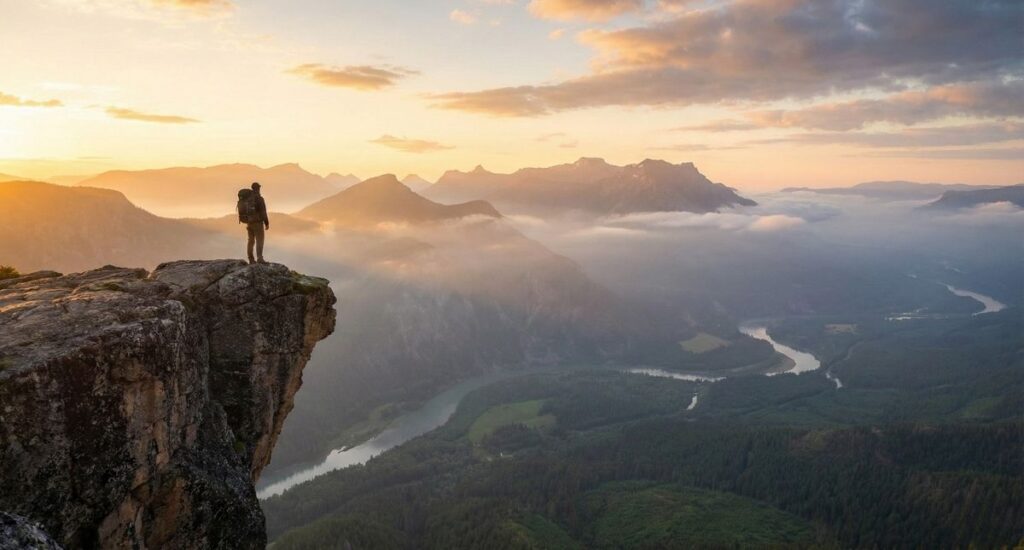
In an era defined by rapid connectivity and the relentless pace of digital correspondence, the concept of leisure travel has evolved from a mere luxury into a fundamental component of a balanced life. It is no longer just about seeing new places; it is about the restoration of the self. Leisure travel represents a deliberate pause—a conscious decision to step away from the rigors of daily routine and immerse oneself in the unfamiliar. It is a celebration of curiosity, a testament to the human desire for exploration, and a vital pathway toward mental and emotional well-being.
Travel, in its purest leisure form, allows us to recalibrate our perspectives. When we stand before the vastness of a mountain range, navigate the labyrinthine streets of an ancient city, or simply listen to the rhythmic cadence of the ocean, we are reminded of the world’s magnitude and our small, yet significant, place within it. This guide aims to explore the multifaceted world of leisure travel, dissecting its nuances, celebrating its destinations, and offering a roadmap for those seeking to traverse the globe not just as tourists, but as thoughtful explorers.
What Is Leisure Travel?
At its core, leisure travel is defined by autonomy and enjoyment. Unlike business travel, which is dictated by agendas, meetings, and corporate objectives, or essential travel, which is driven by family obligations or emergencies, leisure travel is an act of volition. It is the pursuit of experiences for their own sake. It encompasses a broad spectrum of activities, from the adrenaline of adventure sports to the profound stillness of a wellness retreat.
The distinction lies in the mindset. A business traveler may visit Paris, but their experience is confined to boardrooms and hotel lobbies. A leisure traveler in the same city is free to wander the Marais, linger over a café crème, and spend hours in the Louvre without checking a wristwatch. This freedom is the defining characteristic of the leisure experience.
Globally, the sector continues to expand, driven by a shifting cultural consciousness that values experiences over material possessions. People are increasingly recognizing that the memories forged during a week of exploration hold more enduring value than the acquisition of physical goods. Furthermore, as remote work becomes more normalized, the lines between living and traveling are blurring, allowing for “bleisure” (business + leisure) trips, though pure leisure remains distinct in its total lack of professional obligation. It is a time dedicated entirely to the rejuvenation of the spirit and the broadening of the mind.
Popular Leisure Travel Destinations Worldwide
To speak of leisure travel is to speak of the world’s infinite variety. Every continent offers a distinct tapestry of climates, cultures, and landscapes, catering to every conceivable preference.
Europe
Europe remains the quintessential destination for those seeking a blend of history, culture, and culinary excellence. The continent is dense with diversity; a two-hour train ride can transport a traveler between entirely different languages, architectures, and cuisines.
The Mediterranean coast, spanning Spain, France, Italy, and Greece, offers the classic “slow travel” experience. Here, leisure is woven into the societal fabric. Days are spent on sun-drenched beaches, while evenings are dedicated to long, multi-course meals. Cities like Rome and Athens serve as open-air museums, where the ruins of antiquity stand shoulder-to-shoulder with modern life.
Further north, the atmosphere shifts. Scandinavia offers a different brand of leisure, focused on hygge (coziness) and connection with nature. The fjords of Norway and the geothermal landscapes of Iceland provide dramatic backdrops for introspection and hiking. meanwhile, Central Europe—Prague, Vienna, Budapest—offers a romantic, imperial grandeur, perfect for lovers of classical music, intricate architecture, and river cruising.
Asia
Asia assaults the senses in the most delightful way possible. It is a continent of contrasts, where the hyper-modern coexists with the deeply traditional.
In Southeast Asia, countries like Thailand, Vietnam, and Indonesia (specifically Bali) are meccas for leisure travelers seeking tropical beauty and spiritual wellness. The affordability of luxury here allows travelers to enjoy high-end resorts and spa treatments that might be out of reach elsewhere. The street food culture offers an unpretentious yet world-class culinary adventure.
East Asia offers a different rhythm. Japan is a perennial favorite, celebrated for its safety, cleanliness, and the unique harmony of its chaotic neon cities and serene Zen gardens. The meticulous attention to detail in Japanese hospitality (omotenashi) elevates the leisure experience to an art form. China, with its Great Wall and diverse provinces, offers a deep dive into one of the world’s oldest continuous civilizations.
Middle East
The Middle East is rapidly redefining itself as a premier leisure hub, blending ancient heritage with futuristic ambition. It is a region of profound hospitality, where the guest is treated with reverence.
The United Arab Emirates, particularly Dubai and Abu Dhabi, offers luxury on an unparalleled scale, with shopping, desert safaris, and architectural marvels. However, beyond the glitz lies the rich history of Jordan, with the rose-red city of Petra and the lunar landscapes of Wadi Rum offering deeply moving experiences. Oman provides a quieter, more nature-focused escape, with its dramatic coastlines and green wadis. The integration of traditional souks with modern amenities makes this region fascinating for those interested in the intersection of past and future.
Americas
The Americas offer a staggering geographical range. North America is the land of the road trip. The National Park system in the United States—Yellowstone, Yosemite, the Grand Canyon—provides some of the most accessible and well-maintained wilderness experiences on the planet.
Latin America vibrates with energy. Mexico offers everything from the Caribbean beaches of the Riviera Maya to the colonial charm of San Miguel de Allende and the culinary depth of Oaxaca. Further south, Peru’s Machu Picchu and the Sacred Valley attract history buffs and trekkers, while Patagonia, straddling Chile and Argentina, offers raw, wind-swept beauty for the true wilderness lover. Costa Rica has established itself as the global leader in eco-tourism, perfect for travelers who wish to see wildlife and rainforests while minimizing their carbon footprint.
Islands and Nature-Based Destinations
For many, leisure is synonymous with the ocean. The Maldives and Bora Bora represent the pinnacle of island luxury—overwater bungalows, turquoise lagoons, and isolation. These destinations are designed for total decompression.
However, nature-based leisure is not limited to the tropics. The savannas of Africa—Kenya, Tanzania, South Africa—offer the safari experience. Witnessing the Great Migration or seeing a lion in the wild is often described as a spiritual experience, reconnecting humans with the primal rhythms of nature. New Zealand, with its dramatic alps and fiords, serves as the ultimate playground for outdoor enthusiasts who prefer a cooler climate.
Types of Leisure Travel Experiences
The “where” is important, but the “how” defines the trip. Leisure travel is not a monolith; it is a spectrum of experiential categories.
Beach Holidays
The beach holiday is perhaps the most archetypal form of leisure. It appeals to our biological need for sunlight and the soothing sound of water. This is travel in its most passive, restorative form. It is about reading a book under a palapa, swimming in warm waters, and the simple pleasure of doing absolutely nothing. Whether it’s the party beaches of Ibiza or the secluded coves of the Seychelles, the objective is the same: relaxation through environmental immersion.
Resorts and Wellness Retreats
Wellness tourism is one of the fastest-growing sectors in the industry. These are trips designed to improve health. Yoga retreats in India, detox centers in Switzerland, or meditation camps in Bali cater to travelers looking to return home feeling physically better than when they left. Resorts play a key role here, often providing an all-encompassing environment where every need is anticipated. The focus is on nutritious food, spa therapies, and mindfulness practices that combat the burnout of modern professional life.
Light Adventure Travel
Not all leisure is sedentary. Light adventure travel combines physical activity with cultural discovery. This might involve cycling through the vineyards of Tuscany, hiking the Camino de Santiago in Spain, or kayaking in Halong Bay. The physical exertion adds a layer of satisfaction to the journey. It is leisure earned through movement. This type of travel is particularly effective for clearing the mind, as the focus on the physical activity forces a disconnect from mental stressors.
Family Vacations
Family leisure travel is about bonding. It requires a different pace and a mix of activities that cater to different age groups. Theme parks like Disney World are the giants of this category, but family travel also includes multigenerational cruises, beach villa rentals, and educational trips to historical sites. The goal is the creation of shared memories that bind the family unit together.
Couples and Honeymoon Travel
Romantic travel focuses on privacy and shared experiences. It often leans toward luxury and seclusion. Honeymoons set the tone for a marriage, often involving “bucket list” destinations. However, couples travel is also about reconnection for long-term partners, providing a space away from domestic responsibilities to rediscover one another.
Planning a Leisure Trip
A successful leisure trip begins long before the suitcase is packed. The planning phase is where the dream starts to take structural form.
Choosing the Right Destination
Selection should be based on the desired emotional outcome. If the goal is stress reduction, a chaotic city might not be the right choice. If the goal is stimulation, a secluded beach might feel boring. Travelers must ask themselves: What do I want to feel? Weather plays a crucial role; visiting the Caribbean during hurricane season or Northern Europe in deep winter requires preparation and acceptance of the elements.
Best Time to Travel
Timing dictates cost and crowd levels. The “shoulder season”—the period between peak and off-peak—is often the sweet spot for leisure travelers. The weather is usually still pleasant, but the crushing crowds of peak season have dissipated, and prices are lower.
Budget Planning
Financial stress can ruin a leisure trip. A realistic budget must include not just flights and hotels, but daily spending money, emergency funds, and activity costs. It is often wiser to have a shorter, higher-quality trip than a long, underfunded one.
Trip Duration
The ideal duration varies. A long weekend can be a refreshing “micro-dose” of travel, while a two-week journey allows for true immersion. Long-term travel (sabbaticals) allows for a complete lifestyle shift. Seasoned travelers often find that consolidating their itinerary details through a centralized resource like helps maintain a clear overview of the journey ahead, ensuring that the duration is filled with meaningful experiences rather than logistical confusion.
Accommodation Options for Leisure Travelers
Where one sleeps is not just a logistical detail; it is the anchor of the travel experience.
Hotels
Hotels range from functional budget options to seven-star palaces. Large chains offer reliability and loyalty rewards, ensuring a standard level of comfort. Boutique hotels, however, offer character. They are often smaller, independently owned, and reflect the local design aesthetic. Concierge services in hotels are invaluable resources for leisure travelers seeking local recommendations.
Resorts
Resorts are destination-enclosed. They are designed so that a guest never needs to leave the property. All-inclusive resorts simplify budgeting, as food and drink are covered. They are ideal for families and travelers who want to minimize decision-making.
Vacation Rentals
The rise of the sharing economy has popularized vacation rentals (apartments, villas, cottages). These offer a “live like a local” experience. They provide kitchens, living rooms, and often, a lower cost per person for groups. They are excellent for longer stays where eating out for every meal becomes tiring.
Unique and Cultural Stays
For the adventurous, accommodation can be the attraction itself. This includes treehouses in Costa Rica, ice hotels in Sweden, yurts in Mongolia, or ryokans in Japan. Whether seeking a boutique hotel or a grand resort, browsing through comprehensive listings at allows for a better comparison of amenities and location relevance, helping travelers find these unique gems that define a trip.
Flights and Transportation for Leisure Travel
The journey to the destination is the transition period, a time to mentally shift from “home mode” to “travel mode.”
Selecting Comfortable Flights
For long-haul leisure travel, comfort is paramount. Arriving exhausted can steal the first two days of a trip. This might mean upgrading to premium economy for extra legroom or choosing airlines known for better service. Direct flights, while often more expensive, reduce the stress of missed connections and lost luggage.
Balancing Cost and Convenience
There is always a trade-off between price and time. Red-eye flights or itineraries with two layovers save money but cost energy. Leisure travelers must weigh the value of their time against their budget. Securing the most convenient route often requires comparing various carriers, a process made significantly smoother when utilizing tools found at to visualize connections and layovers, ensuring the chosen path strikes the right balance.
Local Transportation Options
Once on the ground, how one moves matters. Public transportation—the Tube in London, the Subway in NYC, the Metro in Tokyo—offers an immersive, cost-effective local experience. However, for leisure, private transfers or car rentals can offer freedom. Driving the Pacific Coast Highway or the Amalfi Coast is an experience in itself, not just a way to get from A to B.
Travel Requirements and Conditions
The pragmatics of international travel cannot be ignored. Bureaucracy is the gatekeeper of the world.
Passport Validity
Many countries require a passport to be valid for at least six months beyond the date of departure. A leisure trip can end at the check-in counter if this simple rule is overlooked.
Visa Requirements
Visa policies are constantly shifting. While many passports offer visa-free access to numerous countries, others require electronic travel authorizations (ETAs) or full embassy interviews. Travelers must research this months in advance.
Travel Insurance
To travel without insurance is to gamble. Good travel insurance covers medical emergencies—which can be financially ruinous abroad—as well as trip cancellations and lost luggage. It buys peace of mind, which is the ultimate luxury.
Health and Safety
Vaccinations may be required for tropical destinations. Malaria prophylaxis might be needed for safaris. Beyond biology, travelers should be aware of local safety conditions, researching neighborhoods to avoid and understanding local scams.
Benefits of Leisure Travel
Why do we do it? The return on investment for leisure travel is not monetary; it is psychological and emotional.
Mental and Emotional Well-Being
Disconnecting from the “always-on” culture reduces cortisol levels. The novelty of new environments stimulates the brain, increasing neuroplasticity. The simple act of anticipation—looking forward to a trip—has been shown to boost happiness levels significantly.
Cultural Exposure
Travel destroys prejudice. By witnessing how other cultures live, eat, and pray, we develop empathy. We realize that our way of doing things is just one of many ways. This cultural relativism makes us more open-minded and adaptable individuals.
Relationship Building
Shared experiences forge bonds. Navigating a foreign city together, overcoming a travel mishap, or sharing a sunset creates a shared narrative between partners, friends, or family members. These memories become the “glue” of relationships.
Personal Growth
Travel forces us out of our comfort zones. We have to navigate language barriers, read maps, and solve problems on the fly. This builds confidence and resilience. We return home feeling more capable.
Practical Tips for Enjoyable Leisure Travel
To maximize the joy of travel, one must master the art of travel itself.
Stress-Free Planning Advice
Start early. Last-minute planning breeds anxiety. Create a loose itinerary—plan one major activity per day and leave the rest open for serendipity. Over-scheduling is the enemy of leisure.
Common Mistakes to Avoid
Packing too much is the cardinal sin. It makes transit physically difficult. Another mistake is trying to see “everything.” It is better to see three things well than ten things poorly. Also, avoid eating near major tourist landmarks; the food is usually overpriced and inauthentic. Walk three blocks away to find where the locals eat.
How to Travel Comfortably and Responsibly
Dress in layers. Stay hydrated. respect local customs regarding dress codes (especially in religious sites). Learn a few words of the local language; “hello” and “thank you” go a long way. Be mindful of the environment—reduce plastic usage and respect wildlife. For those finalizing last-minute details, checking availability through can provide peace of mind before departure, ensuring that logistics don’t overshadow the experience.
The Future of Leisure Travel
The landscape of travel is changing. As we look forward, several trends are shaping how we explore.
Emerging Travel Trends
“Slow travel” is gaining traction. Instead of country-hopping, travelers are renting apartments for a month in a single city to truly integrate. “Transformational travel”—trips centered around learning a skill or volunteering—is also rising.
Sustainable Tourism
There is a massive pivot toward sustainability. Travelers are demanding eco-friendly hotels, carbon offsets for flights, and experiences that benefit local communities rather than exploiting them. “Overtourism” in places like Venice and Barcelona is leading to a push for “second-city” travel—visiting Lyon instead of Paris, or Utrecht instead of Amsterdam.
Personalized Travel Experiences
Technology is allowing for hyper-personalization. AI and data are helping travelers curate itineraries that match their specific interests perfectly, moving away from cookie-cutter package tours.
Conclusion
Leisure travel is a profound privilege and a vital human activity. It serves as a counterbalance to the rigidity of modern life, offering a canvas upon which we can paint memories of joy, discovery, and connection. Whether it is a solitary hike through a silent forest, a vibrant culinary tour through a bustling metropolis, or a quiet week by the sea with loved ones, these experiences shape who we are.
To travel is to invest in oneself. It expands the mind, softens the heart, and revitalizes the spirit. As the world remains a vast and beautiful place waiting to be explored, the invitation stands open: pack a bag, leave the familiar behind, and step into the wonderful unknown. The journey, with all its surprises and delights, is waiting.