
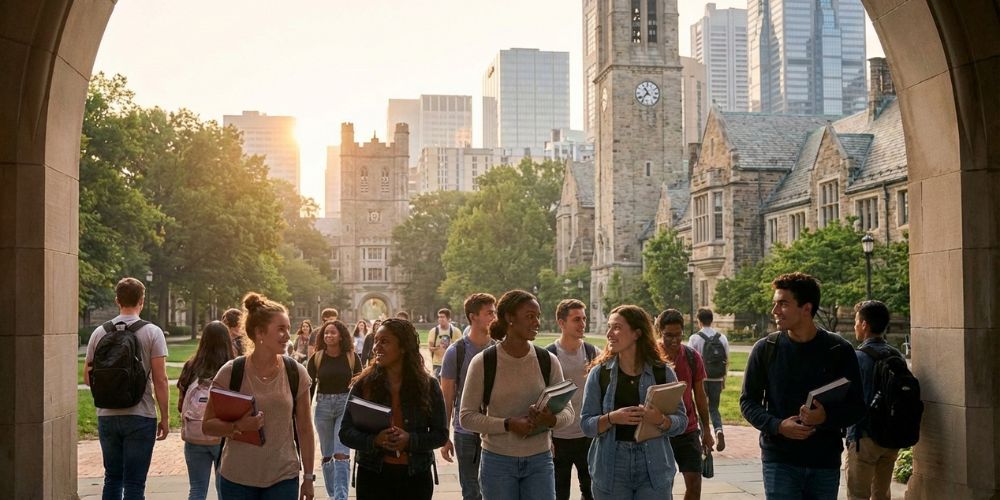
Studying abroad is widely recognized as one of the most transformative experiences in higher education, offering a unique convergence of academic rigor and profound cultural immersion. It goes far beyond the traditional classroom setting, inviting students to relocate to a foreign country to pursue their degree or undertake short-term programs. This journey allows individuals to step outside their comfort zones, engaging firsthand with new perspectives, diverse communities, and global challenges. It is a holistic developmental process that fosters adaptability, intercultural competence, and a broader understanding of the world. By combining educational pursuits with the enriching elements of international living, studying abroad represents a significant investment in personal growth and future professional trajectory.
What Does Studying Abroad Mean?
At its core, studying abroad involves pursuing educational opportunities in a country other than one’s own. However, the concept encompasses far more than simply attending lectures in a different location. Academically, it means accessing distinct university systems, specialized coursework, and unique research environments that may not be available domestically. Culturally, it signifies a daily immersion into a new way of life, requiring students to navigate foreign languages, societal norms, and local customs on a consistent basis. Personally, it is an exercise in independence, demanding self-sufficiency in everything from grocery shopping in a new language to navigating complex transit networks and managing finances in a foreign currency.
Popular Study Abroad Destinations and Experiences
The globe offers a multitude of environments suited to diverse educational goals and lifestyle preferences. Traditional hubs in Western Europe remain perennially popular for their blend of historic academic institutions and proximity to major cultural capitals, allowing for easy exploration between classes. Conversely, dynamic cities in East Asia are increasingly sought after for their cutting-edge technological programs and immersion in rapidly evolving economies. English-speaking nations, such as Australia, Canada, and the United Kingdom, continue to attract vast numbers of international students due to the ease of linguistic integration and high-quality university systems globally recognized for research. Each destination offers a distinct backdrop for student life, ranging from self-contained campus experiences to integrated urban living.
Key Benefits of Studying Abroad
The advantages of international education extend far beyond the degree certificate. Academically, exposure to different teaching methodologies and diverse viewpoints enhances critical thinking and adaptability in problem-solving. Language acquisition is often significantly accelerated through daily immersion, providing a substantial asset in an increasingly globalized job market. On a personal level, navigating a foreign environment builds resilience, independence, and self-confidence. Professionally, employers often highly value the intercultural communication skills, global awareness, and demonstrated ability to thrive in unfamiliar settings that are developed during time spent abroad.
Study Abroad Requirements and Travel Conditions
Securing a spot in an international program involves navigating complex logistical requirements. The process typically begins with obtaining a valid passport and securing formal admission from a host institution, which are prerequisites for applying for a student visa—a crucial and often time-consuming regulatory step. Once the legalities are addressed, practical concerns take precedence. Students must ensure they have reliable health insurance compliant with local regulations. Furthermore, finding suitable housing is a major task, often requiring extensive use of online student accommodation research tools to compare options like on-campus dormitories versus private rentals. Budgeting must account not only for tuition but also for daily living expenses and initial transportation costs, often necessitating the use of comprehensive trip organization platforms to manage flights and arrival logistics.
Practical Tips for International Students
Success abroad requires preparation beyond academics. Before departure, researching the destination’s culture, basic societal etiquette, and local laws is essential to minimize culture shock. Upon arrival, active efforts to integrate—such as joining local clubs, participating in language exchange programs, or volunteering—can significantly enhance the experience and build a social support network. Balancing academic responsibilities with the desire to explore the new surroundings is a common challenge; effective time management is vital. For weekend trips or semester breaks, utilizing reliable international travel planning resources can help students organize affordable and enriching excursions without disrupting their studies.
Conclusion
Ultimately, studying abroad is a profound investment in human capital. It transcends typical tourism by embedding individuals within the fabric of another society for an extended period, challenging their assumptions and expanding their worldview. The skills gained—resilience, cross-cultural communication, and adaptability—are lasting assets that contribute significantly to both personal maturation and professional competitiveness in a global landscape.